
Understanding Water Heater Types
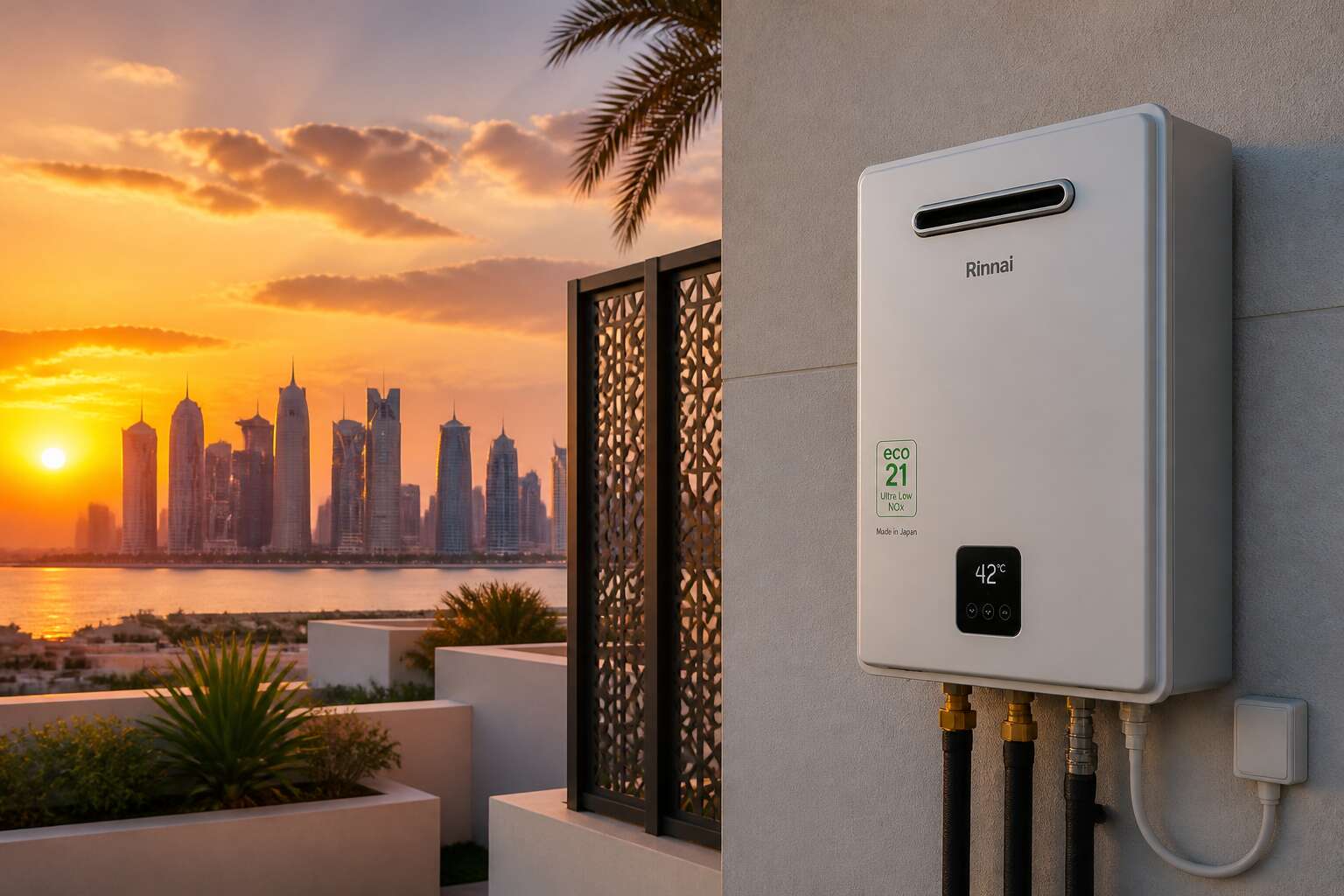
A cold shower in winter tests anyone’s patience. Yet many households overlook their water heater until it fails. Storage tanks remain the most common type, holding 30 to 80 litres. Tankless units heat water on demand, saving space and energy. Heat pump models pull warmth from the air, while solar systems use the sun, though both need careful installation. Water heater suppliers in qatar carry all these variants, so your choice depends less on availability and more on how your home uses water.
Common configurations include:
- Storage tank heaters, the traditional choice
- Tankless units, compact and efficient
- Heat pump heaters, economical over time
- Solar thermal systems, ideal for sunny climates
Every type carries trade-offs. I have seen homes where a tankless unit struggled to keep up with a large family’s morning rush. A storage tank might serve them better. Water heater suppliers in qatar can help you match the right system to your routine, but knowing the basics beforehand makes that conversation simpler.
Key Factors to Consider When Buying
In Qatar’s unrelenting sun, your water heater works harder than you think. Choosing the right supplier feels like a gamble with your comfort. I have seen too many buyers fixate on price alone, only to regret it when the first sandstorm knocks out a poorly sealed unit.
Look beyond the shiny catalogues. The best water heater suppliers in Qatar offer robust maintenance networks and genuine spare parts. Ask about installation timelines and response times for emergencies. A reliable unit means nothing without dependable support.
- Check energy efficiency ratings for local conditions.
- Verify the warranty covers corrosion, not just parts.
- Ask if they service your specific brand.
Your choice shapes daily life. Prioritize suppliers who understand Qatar’s water chemistry and heat loads. That is where true value resides.
Installation and Maintenance Best Practices
Purchasing a heater is easy. Installing it correctly is where curiosity ends and competence begins. In my years working alongside water heater suppliers in Qatar, I have watched minor oversights ruin brand new units. A forgotten pressure relief valve, a loose earth connection, or an incorrectly set thermostat can shorten a lifespan dramatically.
Preparation saves money. Read the installation guide before the technician arrives, and verify the wall mounting point is solid. If the unit is electric, measure the supply cable. If it is gas, check the ventilation route first.
– Flush sediment every four months.
– Inspect the anode rod annually.
– Test the thermostat before the first use.
Qatar’s high ambient heat can conceal cooling problems until it is too late. The real quality of a supplier shows in their post sales advice, not their brochure. A quiet unit, steady temperature, and zero leaks are the only signals worth trusting.
Top Brands and Market Trends in Qatar
Qatar’s humidity does a number on standard tanks. Corrosion is a relentless enemy here, and buyers are finally treating water heater choice as a long-term investment rather than an afterthought. The market has shifted sharply toward condensing and tankless units, which shrug off the oppressive climate. Some of the most reliable water heater suppliers in qatar have adapted by stocking models with titanium enamel tanks and sacrificial anodes built for hard water.
Top global brands dominate the shelves, but the service ecosystem matters just as much as the logo. For local buyers, the real differentiator often comes down to after-sales support. In Doha, that translates to specific criteria when vetting a distributor:
- Local stock availability for immediate replacement parts
- Technician response times that actually match their stated SLAs
- Warranty coverage that acknowledges installation conditions, not just manufacturing defects
The smart home integration trend is also creeping into the sector. Wi-Fi enabled units that let you preheat from your phone are no longer a luxury, they are becoming the baseline expectation in new villa developments. It is a quiet but persistent shift, and the suppliers who thrive will be the ones who treat energy ratings as a selling point, not a footnote.



0 Comments