
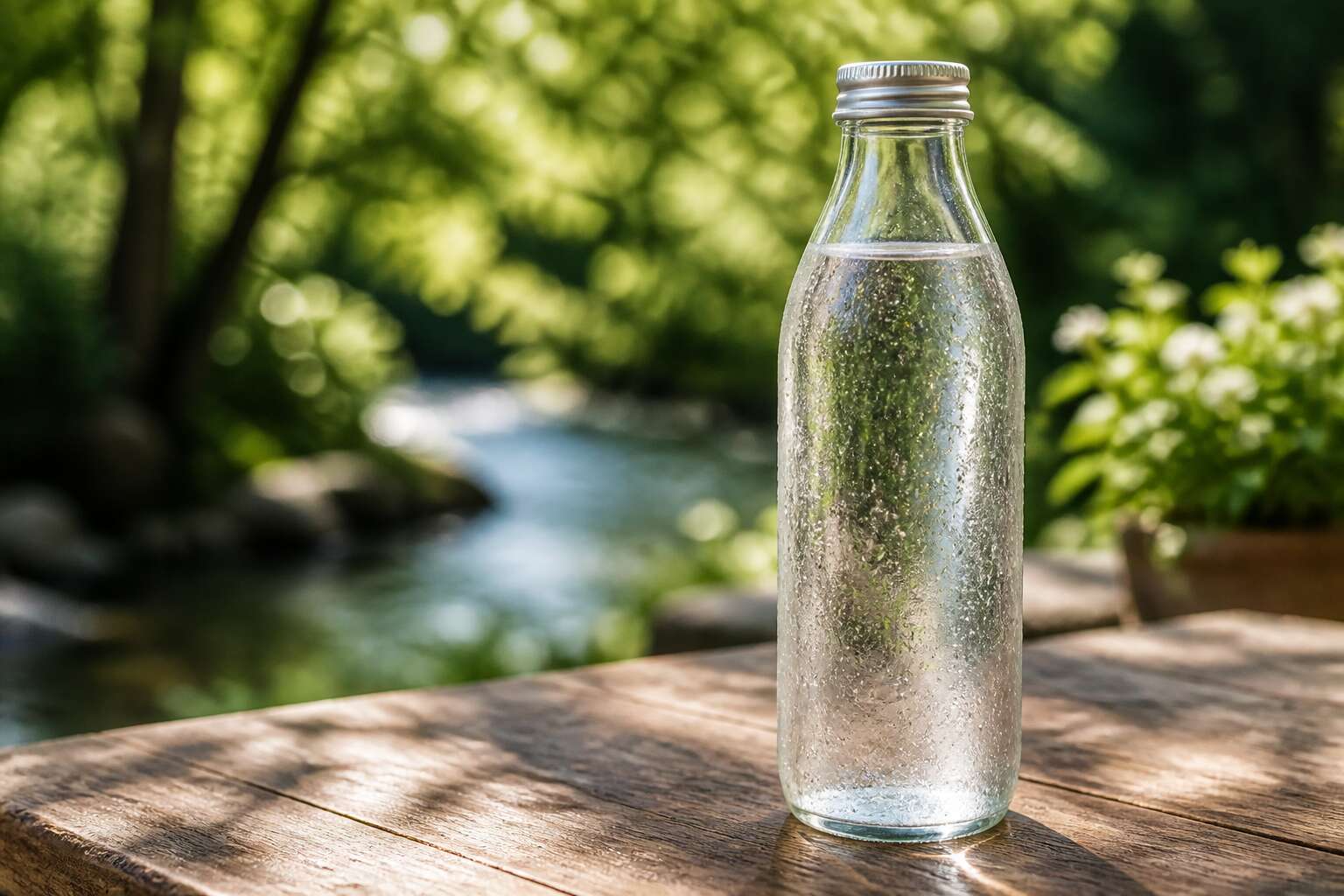
The Rise of Glass Bottled Water in a Plastic-Dominated Market
Shifting Consumer Preferences Toward Premium Packaging
In South Africa, where plastic waste chokes municipal landfills, consumers are reconsidering their daily purchases. The shift toward glass starts with a simple observation: plastic bottles feel disposable, while bottled water in glass feels intentional. That distinction matters in a market flooded with cheap, single-use packaging.
Retailers across Gauteng and the Western Cape report growing requests for premium options. People want containers that reflect their values, not just their thirst. The tactile weight of a glass bottle changes the experience of drinking water.
Consider the practical reasons buyers give:
– Glass preserves taste without chemical transfer.
– Bottles can be reused for storage or décor.
– The material aligns with a zero-waste lifestyle.
Bottled water in glass now appears in upscale cafés and roadside stalls alike. This preference isn’t a passing fad. It’s a clear signal that packaging matters as much as the product inside. Plastic dominated for decades, but glass offers a durable, honest alternative that South Africans are embracing.
The Environmental Toll of Single-Use Plastic Bottles
A plastic bottle endures four hundred years in the ground, outliving every person who ever lifted it. Bottled water in glass rises against that permanence. Retail figures from Johannesburg and Durban show glass sales climbing while polyethylene terephthalate dominates the shelves. The shift is not cosmetic. It is a response to the accumulating debris of a throwaway culture.
The environmental toll is concrete. Each discarded plastic bottle locks carbon into the soil. Marine organisms ingest fragments, and the particles travel up the food chain. In South Africa, municipal dumps overflow decades before their projected closure. The numbers demand attention!
- South Africa generates over one billion plastic bottles annually.
- Less than twenty percent ever reach recycling facilities.
- The rest fracture into microplastics that persist in groundwater.
Bottled water in glass offers a cleaner inheritance. The glass bottle returns to the furnace or the earth, and the water inside tastes of nothing but itself. This is not nostalgia; it is survival.
How Glass Bottles Signal Purity and Luxury
On shelves ruled by polyethylene terephthalate, glass is making its claim. The rise of bottled water in glass across South African retailers is measurable. Shelf allocations in major Durban supermarkets now reserve premium positions for glass, acknowledging a customer who refuses plastic as the default.
That customer is buying clarity. Glass offers a sensory experience plastic cannot match. The weight of the bottle, the sound of the cap, the way light moves through the liquid. These details signal purity before the first sip. Because glass is inert, the water confirms the signal, as nothing has leached into it.
The social dimension is equally telling:
- Glass at a table communicates consideration
- It suggests a host who understands provenance
- It signals a refusal of disposable compromise
Bottled water in glass has become a marker of discernment. In a market built on volume, it is the smaller, deliberate choice. That is precisely why it grows.
Market Trends Driving the Demand for Glass Packaging
Retail data from Cape Town and Johannesburg shows glass bottled water gaining shelf space in convenience and premium grocery channels. The growth is not driven by brand marketing alone. Distribution networks have adapted, with smaller batch deliveries and returnable crate systems making glass logistics viable for regional suppliers.
Hospitality and corporate procurement are shifting too. Conference venues and hotels now order bottled water in glass as part of standard event packages. The demand is consistent enough that several local dairies and juice producers have added dedicated glass filling lines to their existing operations.
- Glass orders for events have risen steadily across Gauteng and the coastal provinces
- Small scale bottlers report shorter lead times from glass manufacturers
- Retailers are grouping glass SKUs into dedicated chilled sections
This is a structural change in how water moves through the market. The infrastructure catches up, the cost curves flatten, and bottled water in glass becomes a practical option for a wider range of buyers.
Comparing Glass Bottled Water to Aluminum and Carton Alternatives
Plastic still owns the shelf space, but glass is elbowing its way in. A 2023 survey found 68% of Johannesburg shoppers associate bottled water in glass with fewer chemical interactions, a perception that aluminum and carton alternatives struggle to match. Aluminum cans dent and sometimes impart a metallic note. Cartons aren’t recyclable in every municipality, which muddles their eco-story.
Here’s the brutal breakdown:
- Glass: inert, infinitely recyclable, heavy to ship
- Aluminum: lightweight, but lined with polymer
- Carton: convenient, yet mixed materials complicate recovery
For my money, the weight issue is a feature. It forces you to sip rather than chug, a behavioral shift that has real appeal. In Cape Town, drinkers already choose glass for its tactile honesty. The market isn’t waiting for a miracle. It’s swapping one habit for another, one crate at a time.
Health and Safety Advantages of Choosing Glass Over Plastic
Avoiding Harmful Chemicals Like BPA and Phthalates
Plastic bottles release chemical compounds into water over time, especially when exposed to sunlight or warmth. BPA and phthalates, both endocrine disruptors, have been detected in water stored in plastic containers. These substances interfere with hormone function, and the cumulative effect is a persistent health risk. Choosing bottled water in glass removes that variable entirely. Glass is inert, meaning it does not react with its contents or introduce foreign molecules.
Consider what you are actually consuming. A plastic bottle might taste neutral at first, but its surface degrades with every wash or temperature shift. Glass offers a stable barrier, preserving the water’s original composition. For households in South Africa, where water quality varies, this stability matters. The absence of leaching is a baseline expectation.
The Inert Nature of Glass and Its Impact on Water Purity
Glass is chemically indifferent. That indifference is its greatest virtue. Bottled water in glass sits in a vessel unaffected by temperature, sunlight, or time. The water’s dissolved solids, its trace elements, and its natural pH remain untouched. For a South African consumer, this means the liquid in the bottle matches the liquid at the source. No exchange. No compromise.
Plastic reacts to its environment. Heat, sunlight, and repeated handling alter its surface. Glass remains unchanged by these forces. This stability builds trust in the product, because you never question what the bottle has absorbed or released.
- The bottle does not impart any taste of its own
- The bottle does not absorb previous contents
- The bottle does not degrade with repeated washing
That reliability is the foundation of genuine safety.
Reducing Microplastic Contamination Risks
The human body now processes an estimated five grams of microplastic per week, roughly the weight of a credit card. When you buy bottled water in glass, you sidestep this accumulating burden at its most direct point of entry. Plastic bottles shed microscopic fragments with every squeeze, every temperature shift, every day they sit in storage. These particles bypass filtration systems and settle into the water you drink.
Glass offers a barrier that is physically impermeable to such shedding. Its surface does not flake, peel, or abrade under normal conditions. For South African consumers dealing with warm climates and long supply chains, this distinction matters. A plastic bottle left in a delivery truck can release significantly more microplastics. Glass maintains its integrity.
- No microplastic fragments from the container itself
- No particles generated by repeated opening and closing
- No degradation from UV exposure over time
Choosing glass bottles for your water reduces exposure to these contaminants without requiring any change in habit. The container remains stable, and so does your water.
Storage Stability: How Glass Preserves Mineral Content
The mineral content of water, the calcium and magnesium that give it body, exists in a delicate balance. Plastic containers absorb these elements slowly, a quiet theft that changes both taste and nutritional value. Glass walls remain indifferent. They hold the water as it was filled.
For long storage periods, especially under the African sun, this becomes significant. Temperature swings do not degrade glass in the same way they soften plastic molecules. Your bottled water in glass keeps its mineral composition steady. The same ions that were present at the factory are still there months later.
- Minerals stay dissolved without leaching into the container
- Taste remains consistent after weeks of storage
Reusability and Safe Refilling Practices
The quiet ritual of reaching for a bottle should not carry a hidden cost. A plastic vessel, softened by time and warmth, can surrender its own molecular structure to the liquid it holds. This is not a theoretical concern; it is a measurable transfer. Choosing bottled water in glass sidesteps this chemical exchange entirely. The container remains a passive observer, a silent guardian of the contents within. You drink the water as it was sourced, not a composite of the packaging.
This purity extends to the bottle’s second life. Glass does not harbor the microscopic scratches that become permanent havens for bacteria in plastics. Its surface is smooth, non-porous, and resilient. You can wash it with near-boiling water to ensure a genuine reset. Refilling a glass bottle with tap water or a fresh sparkling selection becomes a daily practice of intent, not a gamble. The structural integrity of glass makes it a reliable partner for repeated use, holding up against the rigors of a gym bag or a dusty car boot. Only the cap demands attention; a simple routine of soap and a bottle brush is enough to maintain safety. That is the unspoken contract of the material: it gives you a clean slate, every single time.
Taste, Refreshment, and Quality Preservation in Glass Bottles
Why Glass Protects Flavor Better Than Plastic
Water sommeliers insist the vessel changes the ceremony. Plastic imparts a faint, rubbery note to still water. Bottled water in glass sidesteps this entirely, delivering a cleaner, more honest sip.
Refreshment depends on more than temperature. Glass conducts cold efficiently and holds it longer. A heavy glass bottle keeps the drink icy without the thin, lukewarm feel plastic develops after minutes.
Quality preservation follows the same logic. Tiny oxygen molecules seep through plastic walls over weeks. Glass stops them cold.
– Chlorine and mineral balances remain stable
– Membrane filtration results stay crisp
– The water’s natural pH is unruffled
For discerning Capetonians, the pour itself becomes a small pleasure.
The Role of Light Exposure and UV Protection in Glass Packaging
UV light is the silent enemy of packaged water. Sun exposure does quiet damage even before the seal breaks. Ultraviolet light accelerates chemical reactions inside plastic, leaching compounds that alter taste. Bottled water in glass blocks this degradation. Amber and green glass used by premium South African brands filters out UV rays, keeping the liquid stable and neutral.
Light also affects minerals. Iron and magnesium can oxidize under sunlight, leaving a metallic tang. Glass maintains the intended mineral fingerprint. In Cape Town offices or Durban homes, water poured hours later still tastes as the source intended.
- Clear glass blocks shorter wavelength UV.
- Colored glass adds defense for long-term storage.
The ritual of pouring from a heavy bottle carries no plastic afterthought. It is a private, tactile confirmation that the water has been sheltered from the elements. Bottled water in glass loses nothing in storage. It keeps its character intact, from first sip to final refill.
Tasting the Difference: Blind Trials and Consumer Perceptions
Blind trials reveal a peculiar snobbery. Tasters sip from identical tumblers, yet they consistently rank bottled water in glass higher. The refreshment arrives with a weight, a certain ceremony. Plastic bottles whisper convenience; glass demands attention. In Johannesburg tasting rooms, participants described glass samples as cooler, crisper, even though the temperature matched.
- Perceived purity influenced scores
- Mouthfeel seemed smoother
- Aftertaste vanished entirely
The quality preservation is no illusion. Glass lets the mineral profile speak without interference. What remains is a clean, deliberate refreshment, a small performance of trust.
Maintaining Optimal Temperature and Chill Retention
There is particular pleasure in pulling a glass bottle from the fridge. The glass holds the cold longer than plastic ever could, which matters when you are lingering over a meal in Durban’s humidity. The chill seeps through your palm, a quiet signal that what follows will be crisp.
Refreshment, in this context, is a matter of physics as much as perception. Glass conducts temperature steadily, preserving that initial coldness even as the bottle sits on a warm patio table. The water inside stays bracing from first sip to last.
- Chill retention keeps every serving at its intended temperature
- Quality preservation relies on the bottle’s thermal inertia
- Bottled water in glass arrives cold and stays cold
Quality preservation extends beyond taste. The cool temperature protects the mineral balance, ensuring the water feels lively rather than flat. Choose bottled water in glass for those long afternoons when refreshment must endure.
The Impact of Packaging Materials on Carbonation Retention
Most people assume carbonation is a function of the gas itself. They are wrong. The bubble structure, the fizz on the tongue, the sharp bite at the back of the throat, all of it hinges on the container. In plastic, CO2 molecules find microscopic escape routes. The pressure drops. The water goes flat. It is a slow death by a thousand tiny perforations.
Glass offers no such pathways. The material is a fortress of molecular silence. When you twist open a bottle of high-end mineral water, the hiss should be aggressive. It should release a burst of pressure that feels like an event. That sound is the first indicator of quality preservation, a promise that the liquid inside still holds its charge.
– The effervescence remains sharp from the initial pour to the final drop
– The mouthfeel stays layered, offering a distinct textural experience
– The mineral profile remains untainted by the container itself
A CO2 molecule has no ambition to escape a glass vessel. It stays suspended, ready to deliver that crisp sensation with every sip. Researchers in the beverage industry call this the “carbonation retention coefficient.” For plastic, that coefficient is distressingly low. For glass, it approaches a perfect score. This is not about taste in the abstract. It is about the physical reality of pressure transferred to your palate.
Refill a glass bottle and the integrity holds. The thermal mass of the material works in concert with the carbonation, creating a synergy that is impossible to replicate. When you purchase bottled water in glass, you are not buying water. You are buying a preserved state of being, a snapshot of the spring’s intention, sealed and unspoiled. The bottle becomes a small vessel of eternity, holding back the relentless march toward staleness.
How Premium Water Brands Leverage Glass for Superior Taste Experiences
Somewhere in the Karoo, a spring pushes water through ancient rock. By the time it reaches a glass bottle, the water carries a signature that plastic tends to erase. The first sip becomes an event. The palate reads the texture, the weight, the way the liquid settles before sliding down.
Premium water brands leverage glass because it changes nothing. What the spring intended remains intact. What you taste, sip after sip, is the water itself.
Refreshment in bottled water in glass shows up as:
- A clean, cold bite with each mouthful
- A smooth, fast finish that leaves no residue
- A consistency that holds from first pour to last drop
Taste, in this context, is a form of honesty. The vessel stays silent. The water speaks.
Environmental and Sustainability Considerations of Glass Bottled Water
The Infinite Recyclability of Glass Without Quality Loss
Glass, unlike lesser materials, does not degrade when recycled. It can be melted and reformed endlessly, a closed loop that keeps the material in circulation permanently. This infinite recyclability means the bottle you hold today could be a part of a new one in a matter of weeks, without any loss of purity or structural integrity.
The process is efficient and direct. Because glass retains its quality, it can be used for the same purpose repeatedly, which is a rarity in packaging. Most single-use containers are downcycled, turning into a lower-grade product before eventually becoming waste.
Here is what sets glass apart in practice:
– The cullet, or crushed glass, melts at a lower temperature than raw materials, saving energy in the furnace.
– It requires no additional virgin materials to maintain its strength.
– The closed loop reduces the demand for new extraction, lessening the burden on natural resources.
For South African consumers, this represents a tangible shift. Choosing bottled water in glass is a direct vote for a system that values material permanence over disposable convenience. The decision to use a container that never loses its value is a quiet act of environmental stewardship, one that acknowledges the finite nature of our planet’s resources while embracing a cycle that truly has no end.
Carbon Footprint Debate: Glass vs. Plastic vs. Aluminum
The carbon footprint of packaging is rarely a simple comparison. Plastic uses less energy to produce and transport, but its short life means the emissions are allocated to a single use. Aluminum demands enormous electricity during smelting, and most of it comes from coal in South Africa. Bottled water in glass, however, shifts the equation over time. The weight of a glass bottle increases fuel consumption per trip, yet every return to the recycling stream distributes that energy across future bottles. Here is what matters in practice:
- The trucking distance between the bottler and your store.
- The percentage of bottles actually returned for recycling.
- The efficiency of the local glass furnace.
For bottled water in glass, the carbon debate becomes a question of commitment. One bottle, used repeatedly, changes the math entirely.
Refillable Glass Bottle Programs and Their Growing Popularity
South Africa’s refillable glass bottle programs are doubling every three years, driven by municipal deposit incentives. These systems collect, wash, and refill containers, extending their usable life to over 30 trips. For consumers, buying bottled water in glass now means participating in a circular economy, not a one-way purchase. The popularity stems from practical benefits: reduced landfill pressure, lower per-use costs, and a tangible sense of environmental stewardship. Key components of successful refill programs:
- Standardized bottle shapes for efficient sorting.
- Local washing hubs that minimize water waste.
- Return point networks within 5 kilometers of urban residents.
However, the glass must be thick enough to survive multiple journeys, which increases weight. That tradeoff is manageable when the bottle returns consistently. As collection rates improve, refillable programs become the most sustainable packaging option for bottled water in glass.
Weight and Transportation Emissions Challenges
Every glass bottle that leaves a South African bottling plant carries a hidden cost that never appears on the label. Weight. A 750ml glass bottle weighs roughly 500 grams, compared to 25 grams for plastic. Moving that mass across 1,000 kilometers burns more fuel, and fuel means emissions.
The transport challenge is real, but it is not immovable. Lightweighting cuts glass weight by 30% without sacrificing strength. For bottled water in glass, the entire carbon footprint changes when trucks carry less deadweight.
Still, the logistics of moving water in glass will always require more energy per liter than other formats. This matters in South Africa’s vast geography. Yet I have watched cleaner delivery methods emerge, and the shift is real:
- Hybrid electric fleets now serve Johannesburg and Cape Town, reducing per-kilometer emissions for bottled water in glass.
- Regional bottling plants shorten haul routes, keeping distribution local.
Innovations in Lightweight Glass Bottle Manufacturing
A single lightweight glass bottle now requires roughly 30% less raw material than its predecessor, which reshapes the entire sustainability equation for South African producers. This reduction in silica, soda ash, and limestone extraction means less quarry disruption and lower furnace energy demands during melting. For bottled water in glass, the manufacturing phase has quietly become the most significant arena for environmental progress.
Modern furnaces run on electricity derived from renewable sources at several Western Cape facilities. These innovations complement the physical properties of glass itself. The material’s chemical stability ensures no degradation during repeated recycling loops, preserving its structural integrity indefinitely.
Energy recovery systems capture waste heat during production and redirect it into preheating cullet. This practice lowers overall thermal requirements, making each new bottle less burdensome on the grid. The result is a container that balances ecological responsibility with uncompromised purity standards.
End-of-Life Recyclability and Consumer Disposal Behavior
The promise of infinite recyclability means nothing if a bottle ends up as a decorative paperweight on a shelf in Randburg. Your bottled water in glass only completes its environmental mission if it re-enters the manufacturing loop. The system relies on a closed loop of collection, crushing, and remelting. When consumers treat the glass bin as a suggestion rather than a directive, the entire sustainability narrative collapses into landfill fodder.
South African municipalities handle cullet with varying degrees of efficiency. Some regions deliver the crushed glass to processors within days. Others leave it to moulder in holding yards. The consumer’s role is straightforward, yet disposal behaviour remains erratic. People hoard bottles for art projects, or worse, toss them into general waste streams. A single bottle in a landfill takes a million years to break down, which rather defeats the purpose of choosing it over plastic.
Glass recycling programs measure success per tonne collected. The collected volume depends entirely on household habits. Those who rinse bottles and remove caps, which often have different melting points, make the process smoother. Separating clear glass from amber and green prevents batch contamination.
– Clear glass fetches the highest market value.
– Coloured glass gets repurposed for beer and wine containers.
– Contaminated glass gets rejected and sent to the dump.
The consumer who chooses bottled water in glass carries the final responsibility for the product’s footprint. Every bottle correctly recycled extends the material’s useful life. Every bottle discarded with the eggshells and coffee grounds erases the manufacturing gains described earlier. The loop is only as strong as the person standing at the bin.
Aesthetic Appeal and Brand Equity of Premium Glass Bottles
Design Innovation in Glass Bottle Shapes and Textures
Premium glass bottles carry a distinct visual weight. The heft, the cool surface, the way light bends through the shoulders of the vessel. For South African consumers, the ritual of pouring bottled water in glass becomes a small ceremony, one that elevates a daily necessity into something memorable.
Design innovation has moved beyond simple cylinders. Faceted flutes catch candlelight. Sandblasted textures create a frosted finish. I have held bottles that feel impossibly cold and solid. These shapes communicate provenance and craft.
- Embossed logos that create tactile brand memory
- Coloured glass that hints at mineral composition
- Thick bases that suggest permanence and heritage
Each bottle becomes a vessel of identity. Brand equity is built through the quiet confidence of the object itself. When a consumer chooses bottled water in glass, they are selecting a narrative that plastic cannot carry.
The Luxurious Weight and Feel of Glass in Consumer Perception
A bottle’s heft is its first silent argument. I have watched a guest pause, reading the cool curvature of a vessel before a single sip touches their lips. This is the luxurious weight of glass, a property plastic cannot counterfeit. It signals a deliberate choice, a moment of consideration in a world rushing toward disposability.
The tactile experience becomes brand equity. When a consumer chooses bottled water in glass, they buy the certainty of what they hold. The object itself, with its solid shoulders and polished surface, suggests permanence. This perception shifts the product from commodity to considered purchase.
That tangible weight carries a quiet psychological punch. Consider the elements that reinforce this ownership of quality:
– The satisfying resistance of a thick glass base
– The secure, substantial feel of a weighted cap
– The cold, smooth surface that holds its temperature against the palm
Each factor builds a sensory memory. It makes the brand part of the ritual, not just the consumption. In the thin, clear light of a South African summer, the choice of glass over flimsy substitutes is a small assertion of taste. It is an identity worn on the tabletop, a preference stated without a word.
Transparency and Trust: Seeing Purity Before Drinking
Through transparent glass, a brand’s integrity is on display. Buyers of bottled water in glass see exactly what they will drink: the absence of haze, the natural movement of air bubbles, the true color of the water. This visual honesty becomes brand equity. A bottle that hides nothing earns a second glance, then a steady preference.
Consider what the eye registers before the first sip:
- The liquid’s clear, undisturbed surface
- The lack of plastic film or scuff marks
- The graceful silhouette of the bottle itself
Transparency builds trust. When choosing bottled water in glass, the consumer does not rely on a label alone. They are reading the product directly. South African buyers, with abundant natural light, can appreciate this visibility. The bottle becomes a statement of taste, made plain before the seal is broken.
Packaging as Marketing: How Glass Elevates Brand Status
On a shelf crowded with polymer and metal containers, a glass bottle of water catches the eye through sheer aesthetic gravity. The glass surface reflects light differently. It creates a visual event before the product is even opened. For South African consumers, this moment of recognition translates into brand equity. The packaging itself becomes the marketing message.
Consider what distinguishes a premium glass bottle from standard packaging:
– The weight that signals substance
– The sculptural quality of the glass form
– The way the label becomes part of the overall design rather than an afterthought
Bottled water in glass carries a certain gravitas. It tells the buyer that the producer invested in presentation because the content deserves it. This association, once formed, persists across purchases. Choosing bottled water in glass becomes a marker of discernment, a quiet indicator of taste.
Case Studies of Top-Selling Glass Bottled Water Brands
Some bottles sell water before a single sip is taken. Voss, the Norwegian brand, carved its identity with a cylindrical glass silhouette. The bottle became the logo. Fiji uses a square glass bottle with bold tropical imagery, signalling island origin before the label is read. These brands treat the container as part of the product itself.
South African consumers respond to the same visual language. A heavy, textured glass vessel makes the purchase feel deliberate. The common threads among top sellers include:
- A silhouette that stays recognisable in a crowded fridge.
- A label that works with the glass, not over it.
- A design that communicates origin without a word.
The equity builds with each re-purchase. bottled water in glass becomes the quiet signature of a brand that trusts its own product. For local producers, the bottle is the first claim.
Customization Opportunities for Hotels, Restaurants, and Events
Somewhere between the clink of crystal and the murmur of a dining room, the bottle claims its authority. Customization transforms bottled water in glass into a house signature, a monogram etched where guests will notice. Hotels commission their own embossing. Restaurants select a vessel that matches their tableware. Event planners request limited runs for galas.
These choices carry weight.
A bespoke bottle signals permanence in a disposable age. The heft, the subtle texture, the way light bends through the glass. Each detail accrues equity. A patron who lifts a custom bottle remembers the name on it. The brand becomes theirs, momentarily.
- Embossed logos for hotel minibars
- Colored glass for private dining rooms
- Etched monograms for wedding receptions
Each customized vessel extends the brand’s reach. Bottled water in glass, personalized, outlives the evening. It remains long after the table is cleared.
Practical Considerations for Retailers, Distributors, and Consumers
Shelf Space, Weight, and Fragility in Retail Logistics
A litre of bottled water in glass weighs roughly 50% more than the same volume in PET, which changes every freight calculation. A standard pallet of glass bottles impacts fuel consumption and warehousing costs directly. Retailers must allocate stronger shelving and wider aisles, since glass requires sturdier support and clearance for breakage mitigation.
South African distributors face complex handling protocols. Fragility turns each transport decision into a risk assessment. Pallet stabilisation, vibration dampening, and driver training become non-negotiable investments. For consumers, the weight signals substance, but it also means carrying a heavier crate from the car.
- Verify pallet weight limits before stacking.
- Design shelf layouts with lower gravity centres.
- Train staff on two handed carry techniques.
Pricing Structures and Consumer Willingness to Pay a Premium
Retailers in Johannesburg are learning that the price tag on bottled water in glass carries a heavier load than plain hydration. The pricing structure emerges from higher input costs, specialised handling, and a consumer perception that refuses to treat water as a commodity. Distributors face a delicate balance, because logistics overhead already squeezes profit margins before the bottle reaches a shelf.
For consumers, the willingness to pay a premium is not irrational. They are buying a tactile guarantee, a promise that the water inside avoided plastic contamination. South African hospitality buyers accept this markup routinely, particularly for events and premium dining. The real negotiation happens between distributor and retailer, where breakage allowances and return logistics settle into the final price.
Breakage Risks and Packaging Innovations for Transport
Every crate of bottled water in glass that leaves a Johannesburg depot carries a measurable risk of breakage. Distributors know that vibration, thermal shock, and careless stacking cause most losses, not the dramatic impact of a direct drop. Packaging innovations now include honeycomb cardboard dividers and returnable plastic cradles that lock each bottle in place. For retailers, the storage rule is simple: never stack beyond two pallets high, and keep glass displays away from high-traffic aisles where trolleys clip edges.
Consumers face their own logistics challenge. Transporting glass bottles in a boot without proper separation invites cracked necks and ruined labels. A simple rubber base sleeve or a partitioned fabric carrier changes the calculus. The industry is also testing lightweight glass formulations that maintain structural integrity while cutting transport weight. These developments matter because the premium price of bottled water in glass depends entirely on the bottle arriving whole, gleaming, and ready for the table.
Convenience Factors: When Glass Bottles Are Practical and Impractical
Glass bottles fit some moments better than others. A chilled bottle of bottled water in glass belongs on a restaurant table or a boardroom tray. It feels wrong inside a gym bag or a hiking backpack. Weight drives that distinction. A 750ml glass bottle weighs triple its plastic counterpart, and the heft is noticeable after ten minutes of walking. Try it.
Retailers face this daily. In my experience, glass is impractical for poolside service, beach coolers, and children’s lunchboxes. It is practical for wine estates, game lodges, and fine dining rooms where staff handle the pour. The consumer question is simple: will someone carry this bottle more than fifty meters?
- Practical: sit-down meals, hotel rooms, corporate gifts
- Impractical: commuting, trail runs, school lunches
The market responds with smaller formats and pre-chilled single servings. Bottled water in glass earns its place when the environment supports it. Everywhere else, it remains a special occasion purchase.
Making the Switch: Tips for Businesses Transitioning to Glass
For a retailer in Johannesburg or Cape Town, the shift to bottled water in glass requires more than swapping stock on a shelf. The logistical calculus changes immediately with route planning and cold chain management. Delivery vehicles must accommodate heavier crates, which means fewer units per trip and revised fuel budgets. Distributors who have built their margins on palletised plastic volumes will need to renegotiate freight contracts or face compressed profitability.
The economics also hinge on breakage. A single shattered case in transit erases the profit on several successful deliveries. Businesses transitioning to glass should invest in partitioned packaging and train drivers on proper load securing. In my experience, the costs of damaged goods drop significantly once handling protocols are formalised.
Retailers face a different set of pressures. Shelf space for glass is often limited because the bottles are wider and heavier. Premium placement, however, creates a perception of value that justifies the higher price point. The unloading and restocking process becomes slower, so staff scheduling needs adjustment.
– Plan delivery routes with fewer stops to reduce handling time.
– Invest in sturdy, compartmentalised crates for transport.
– Communicate with suppliers about staggered delivery volumes to manage storage.
Consumers making the switch to bottled water in glass appreciate the tactile experience, but they also need guidance on proper handling in the home. Storage racks should be sturdy, and refrigerators require adjustable shelving to accommodate taller bottles. The transition is not simply a purchase decision, it is a household adjustment.
The economics become clearer when one considers the lifecycle. While the initial cost per unit is higher, the durability of glass encourages reuse. Businesses can establish return programmes where customers bring back empty bottles for a discount on the next purchase. This builds loyalty and reduces the effective cost per use.
I have seen restaurants in Stellenbosch adopt this model successfully. They report not just lower waste collection fees, but also an enhanced dining experience. The weight of the bottle signals substance, and customers notice. The front-of-house staff manage the pouring, so the practical burden of handling glass falls on trained professionals, not the diner.
For distributors, the infrastructure investment is real. Heavier loads affect vehicle maintenance schedules and warehouse racking systems. The key is planning for a gradual transition rather than a sudden overhaul. Start with a single product line, test the logistics, then scale up based on observed performance.
Ultimately, the decision comes down to whether the market wants a beverage or an experience. Bottled water in glass serves the latter. Businesses that understand this distinction will find that the operational challenges are manageable and the rewards are tangible.


0 Comments