
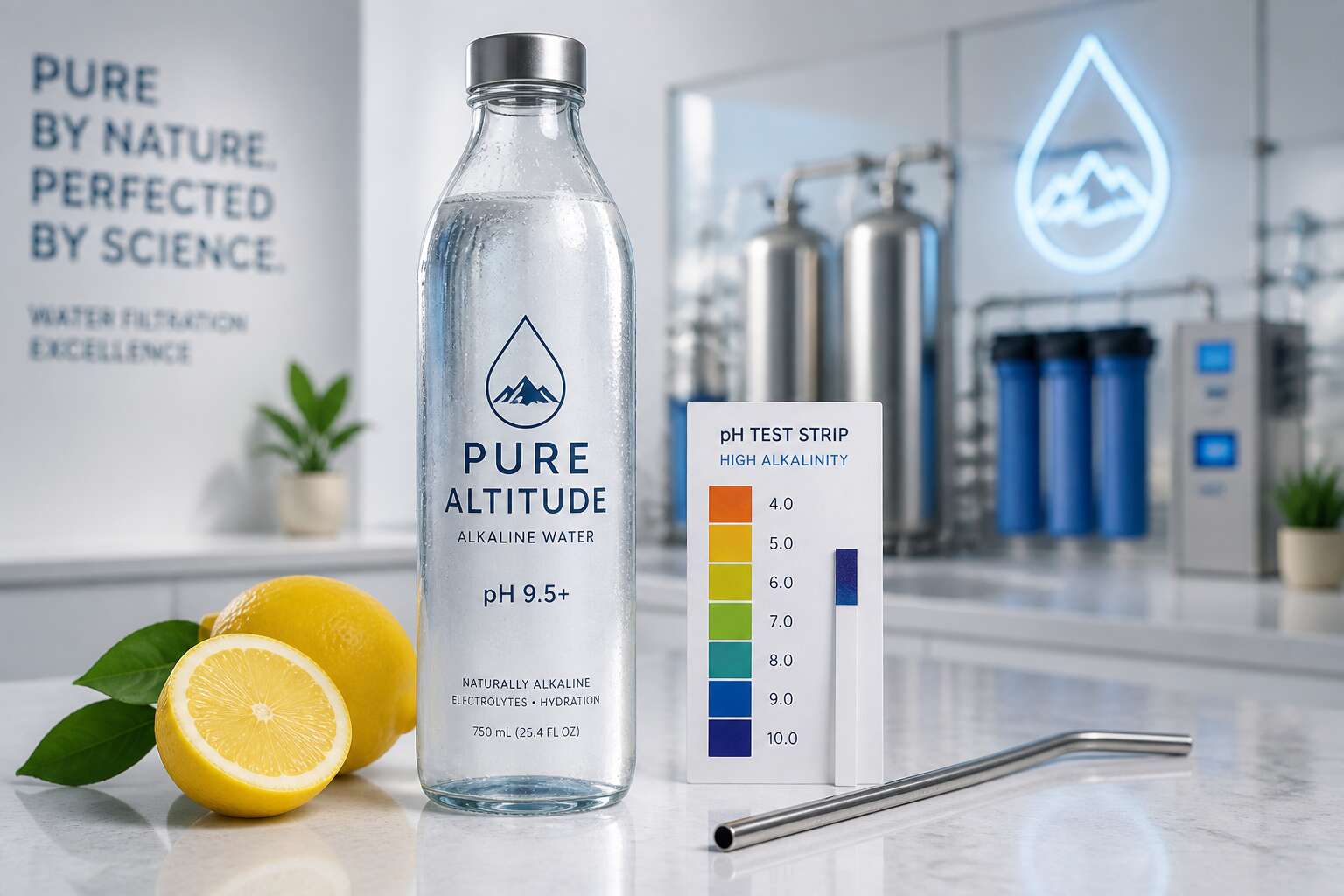
Understanding the Growing Demand for High-pH Water
Health Benefits Driving Consumer Interest
South Africans are drinking water with a pH above 7 at a rate that surprises industry analysts. This trend stems from a basic desire: hydration that feels different. Consumers report easier recovery after exercise and a perceived sense of internal balance.
The demand is visible. Weekends bring queues at health stores, and filtration companies see repeat orders. One buyer I spoke with described it as a rejection of ordinary tap water. Here are the primary motivations:
- Belief that alkaline water counters acidic diets.
- Desire for minerals such as calcium and magnesium.
- Concerns about municipal treatment side effects.
For alkaline water suppliers, this means serving a customer who reads labels, questions source quality, and expects full transparency. The scientific debate continues, but the emotional pull behind this preference is unmistakable. Alkaline water suppliers must respond to that pull without overpromising.
Market Trends and Industry Growth
Forty percent growth in two years. I have watched this category move from fringe curiosity to shelf presence. For a beverage that looks identical to tap water, that momentum requires genuine market traction.
Distribution has spread beyond health stores. Premium gyms, organic cafés, and corporate break rooms now stock high-pH water. Refill stations in Cape Town and Johannesburg have become steady revenue streams, with regulars bringing their own glass bottles and treating the refill as a small ritual.
The industry’s expansion shows up in procurement patterns:
- Hotels now offer high-pH water as a standard amenity.
- Corporate wellness programmes include alkaline water contracts.
- Retail chains have dedicated alkaline water shelving.
Alkaline water suppliers are responding with larger production lines and tighter quality control. Some have partnered with Western Cape bottling plants. Others have invested in ionisation technology that stabilises pH during transport. For alkaline water suppliers, scaling efficiently matters more than clever marketing. The market is young, and the next wave of growth will reward those with dependable supply chains.
Hydration Myths vs. Scientific Evidence
The loudest hydration argument in South Africa right now is about pH. Social media claims that alkaline water rewires blood chemistry. Your stomach, however, runs at a pH between 1.5 and 3.5. That acid neutralises most of what you drink before it reaches your bloodstream. The credible research examines blood viscosity after exercise, and the findings are modest, never miraculous.
Smart buyers respond to this nuance. Alkaline water suppliers now publish third-party lab analyses. Labels list mineral profiles instead of cure-alls. In Cape Town gyms, regulars check electrolyte content before they check alkalinity.
- Suppliers have shifted from pH evangelism to measurable hydration claims.
- Corporate wellness contracts now require batch testing records.
This accountability, not the alkaline mythology, drives real traction. Alkaline water suppliers who grasp that distinction outlast the hype cycle.
Key Terms Every Buyer Should Know
As Cape Town’s tap water fluctuates in mineral content, buyers are learning to decode labels. Understanding terms like total dissolved solids and oxidation reduction potential separates informed purchasing from guesswork. Alkaline water suppliers now use these metrics to justify pricing, and the difference matters.
Here are the essential terms:
- pH scale: measures acidity or alkalinity from 0 to 14.
- ORP: oxidation reduction potential, indicates antioxidant capacity.
- TDS: total dissolved solids, reflects mineral concentration.
High pH alone means little without a balanced mineral profile. I have watched the growing demand for high-pH water push suppliers to standardise these measurements, which benefits every buyer.
Essential Qualities of a Trustworthy Water Provider
Transparency in Sourcing and Treatment
South Africa’s water crisis has made every drop precious, yet the market for premium hydration is booming. When you are paying a premium for alkaline water suppliers, you are not just buying water. You are buying peace of mind, and that commodity is worthless without transparency.
A trustworthy provider will show you exactly where their water comes from. They will tell you if it is sourced from a protected spring, a municipal supply that undergoes heavy filtration, or a borehole deep in the Karoo. They should be willing to share lab reports that prove the absence of contaminants like heavy metals or E. coli, not just hand you a glossy pamphlet with marketing buzzwords.
Furthermore, the treatment process must be demystified. How do they alter the pH? Do they use electrolysis, which is effective, or do they simply add mineral drops to adjust the alkalinity? The latter is common but sometimes hides a lack of actual filtration capability. The best providers are proud of their process and will show you the equipment.
When evaluating a supplier, look for clear disclosure on these points:
1. The exact geographic source of the raw water.
2. A full breakdown of the filtration and remineralization steps.
3. Independent, third-party test results for the final product, not just the source.
4. The specific method used to raise the pH and stabilize it.
If a company hesitates when you ask these questions, view that as a red flag. In an industry where the product looks identical to tap water, the only differentiator is the integrity of the operation behind the bottle. You deserve to know what you are putting into your body, and the supplier who offers that clarity without a fight is the one worth your rand.
Independent Lab Testing and Report Availability
The value of a laboratory report rests entirely on its source. A provider who tests their own water and declares it pure is offering testimony, not evidence. Independent verification is the gold standard, and the most credible alkaline water suppliers will hand over third party results without hesitation.
These reports must be current. A certificate from eighteen months ago means little when the summer rains have shifted the water table. Scrutinise the parameters: pH stability, total dissolved solids, microbial counts, and trace metals. The testing should cover the final bottled product, the water that reaches your lips, not merely the source aquifer.
In South Africa, where municipal treatment plants strain under demand, the difference between mediocre alkaline water suppliers and superior ones appears in the fine print of a laboratory analysis. The trustworthy provider displays these documents openly, on their website or in their showroom. They recognise that credibility is earned through proof, not polished promises.
Customer Reviews and Reputation Management
Reputation rests on evidence. For alkaline water suppliers, customer reviews form the public record of reliability. A steady flow of repeat buyers signals consistent quality. Scrutinise feedback across platforms. Recurring themes about taste, delivery, or packaging carry weight. Isolated praise means little. When complaints appear, watch the response! Acknowledgment, apology, and correction separate trustworthy suppliers from those who hide behind marketing.
South African consumers rely on community networks. Conversations at the gym or office reveal practical experiences. A supplier with a long local history has more to protect, making their reputation a daily concern.
Consider these markers when evaluating a provider:
- Detailed replies to negative reviews
- Consistent responses across review sites
- Visible customer retention over years
These signals indicate accountability. Your choice of alkaline water supplier deserves this scrutiny.
Packaging Integrity and Shelf Stability
Packaging decides whether the water you pay for reaches you intact. For alkaline water suppliers, the container determines if the mineral profile survives the journey from source to home. UV light degrades certain plastics, causing unwanted leaching. Heat accelerates this. A warm delivery van in a Highveld summer shifts the water’s chemistry. Shelf stability means predictable quality within a stated window, not indefinite storage.
Consider the materials. Glass offers the most inert surface but adds weight. BPA-free plastics serve their purpose, yet scoring or cracking creates hiding places for bacteria. Seal integrity matters more than buyers realise. A compromised cap invites contamination before the bottle reaches the shelf. The packaging signals which alkaline water suppliers operate with discipline:
- Opaque walls preserve mineral structure against light.
- Tamper-evident bands reveal prior opening.
- Batch codes connect each bottle to a specific treatment run.
The material is a statement of care. Every decision made between source and shelf is sealed inside.
Responsive Support and Guarantee Policies
There is a contract in every sealed bottle, a promise that survives the long passage from source to pantry. When the water runs out, the true character of the supplier emerges. Responsive support is the first defence against disappointment. Alkaline water suppliers who ignore complaints will not survive the scrutiny.
A guarantee policy is a written commitment, binding only when honoured. Consider a provider that offers:
- Replacement for damaged deliveries within two days.
- A human contact, not an automated response.
- A refund if the mineral composition fails to match the label.
These terms demonstrate that the supplier stands behind the water, not just the bottle. When calls go unanswered, the empty silence reveals the truth about their operations.
Types of Providers and Distribution Channels
Specialty Bottled Water Brands
Behind the gleaming labels of specialty bottled water brands lies a shadowed network of providers. Some operate as regional bottlers, drawing from ancient aquifers that have witnessed centuries of quiet change. Others function as importers, carrying foreign waters across oceans into South African retail shelves. The market for alkaline water suppliers spans both extremes, from industrial-scale operations to obscure artisanal houses.
Distribution channels remain as varied as the springs themselves. Direct delivery services cater to homes and offices, while wellness centres and boutique grocers stock only curated selections. Consider the paths a bottle might take:
- From source to regional distributor
- Through dedicated e-commerce portals
- Into high-end hospitality establishments
- Via subscription models for regular clients
Each supply route carries its own peculiar signature. The discerning buyer of alkaline water suppliers must trace these routes carefully, for the chosen channel often reveals more about the water’s true character than any label could confess.
Local Water Refill Stations and Dispensers
A single refill kiosk can serve hundreds of households each week. That simple fact is reshaping how alkaline water reaches South African consumers. These stations, tucked into shopping centres and fuel station forecourts, link local communities directly to alkaline water suppliers without the cost of bottled logistics. Some units run electrolysis on site. Others receive bulk deliveries and dispense on demand.
Dispenser networks occupy commercial ground. Office blocks fit countertop units with replaceable filters. Gyms swap plastic bottles for push-button refills. Restaurants build serving stations into their water service.
This infrastructure shifts the economics in the supply chain:
- Packaging costs disappear.
- Transport weight drops because water stays at one location.
- Sales become recurring daily acts, not occasional purchases.
Consumers fill their own containers, which means they see exactly what they are getting. Many stations display live pH and TDS readings on digital panels.
Commercial Bulk Delivery Services
Commercial bulk delivery services move water in volumes that refill kiosks never touch. Twenty litre bottles, returnable and rugged, arrive on scheduled routes. Offices stack them beside coolers. Restaurants draw from them for cooking and table service. These routes run on contracts, not chance.
The alkaline water suppliers who operate these fleets must balance logistics against purity. Every trip adds handling. Every handling step creates a risk of contamination. The best operators document their journeys, tracking bottle rotation, sanitisation schedules, and delivery temperatures. Businesses that switch between alkaline water suppliers often sacrifice traceability.
Some suppliers offer staged delivery models:
- Monthly scheduled routes for stable clients
- Emergency top ups for events and peak seasons
- Bulk tanker fills for facilities with on site storage
Each model changes the price per litre, but the value stays consistent: reliable, tested water arriving without fanfare.
Verifying Water Purity, pH Levels, and Filtration Methods
Understanding pH Scales and Alkalinity
When you measure Johannesburg tap water, the reading often hovers near neutral. That number rarely reveals what matters.
The pH scale runs from 0 to 14. Alkalinity refers to water’s buffering capacity. A pH reading alone will not reveal mineral content or filtration effectiveness. Many assume a high pH equals better quality. That assumption leads to disappointment!
Verifying purity takes more than test strips. A proper report should include:
- Total dissolved solids measurements
- Specific mineral concentrations
- Contaminant screening results
- pH readings taken at source and delivery
Filtration methods determine what remains in your water. Reverse osmosis removes most minerals. Alkalizing filters then reintroduce calcium and magnesium. South African borehole water carries its own dissolved minerals. The right approach depends on your starting quality.
I have seen suppliers skip these details. Ask alkaline water suppliers about their filtration chain and pH verification. Notice how they answer. A clear response indicates confidence.
Reverse Osmosis, Electrolysis, and Mineral Infusion
Purity verification separates honest alkaline water suppliers from those selling spectacle. A single pH strip reveals nothing of the journey water took to reach that number. Johannesburg municipal supply carries chloramines, while borehole water arrives laden with iron and manganese. Each source demands a different treatment path.
Reverse osmosis strips nearly everything, producing water with negligible mineral content. Electrolysis rearranges ions without adding substances. Mineral infusion reintroduces calcium and magnesium in measured ratios. The sequence matters more than the machinery.
- Total dissolved solids before and after filtration
- Contaminant screens for heavy metals and microbial activity
- pH readings logged at source and at delivery
Alkaline water suppliers who track these variables understand that alkalinity alone does not indicate quality. Total alkalinity, the buffering capacity, determines how long a given pH holds under real conditions. Water that starts alkaline but cannot resist acidification serves nobody.
Contaminant Removal and Antioxidant Potential
The average Johannesburg tap tests at pH 7.8, yet some boutique alkaline water suppliers market the same water with a 30,000 percent markup. Purity verification separates substance from spectacle. A single pH strip cannot reveal ammonium residues or the efficiency of contaminant removal.
You need total dissolved solids readings, heavy metal screens, microbial counts, and pH logged at both source and delivery. Filtration methods each leave a fingerprint. Reverse osmosis strips everything, then mineral infusion rebuilds calcium and magnesium. Electrolysis rearranges ions without adding anything. Antioxidant potential depends on dissolved hydrogen, which requires a probe, not a promise.
The alkalinity that matters is total alkalinity, the buffering capacity that resists acidification. Trust alkaline water suppliers who document the entire journey, because water that starts alkaline but folds under acid pressure is just expensive theatre.
Hybrid Filtration Systems in Modern Facilities
Modern facilities no longer choose between reverse osmosis and electrolysis. They combine both in cascading hybrid filtration systems that strip contaminants, then rebuild alkalinity through staged mineral contact beds. This stabilises pH above 8.5 for weeks, not hours.
Verification follows the same layered logic. Reputable alkaline water suppliers test total dissolved solids at each stage, from raw intake to final bottling. They measure hydrogen with a probe after electrolysis, then recheck pH after transport.
- Pre filtration removes silt.
- Reverse osmosis eliminates heavy metals.
- Calcite and magnesia beds restore buffering.
- Final UV exposure ensures microbial safety.
I ask for this dual documentation every time. A single pH reading says nothing about filtration integrity. Hybrid systems leave measurable traces. The best alkaline water suppliers publish those traces, because water that changes character on your counter was never truly alkaline.
How to Read a Water Analysis Report
Most people treat a water analysis report as a sealed document. Start with total dissolved solids. If TDS jumps after the alkalinity stage, the supplier is adding minerals, not filtering properly. Check the pH method. A probe reading is fine, but the report should also list buffering capacity in milligrams per litre. Without that, a pH of 9 can vanish in your glass.
Here is what I scan for in any analysis from alkaline water suppliers:
- Calcium and magnesium levels, which indicate mineral bed health.
- Chloride and sodium shifts, which reveal whether reverse osmosis is doing its job.
- Microbial tests after final UV exposure, not before.
A report with only a single pH number lacks context. Reliable alkaline water suppliers will walk you through each stage, from intake to bottling. If they cannot explain why pH changed between filtration and transport, you have no basis for trust.
Red Flags in Marketing Claims
A marketing claim is often a confession. When a supplier promises “perfect pH” without explaining how they keep it stable during shipping, they are selling hope, not chemistry. Purity verification starts with what the label omits. No testing date? No contaminant list? That is a red flag.
Filtration method transparency is equally telling. A supplier who cannot name their membrane type or flow rate likely does not understand their own equipment. Watch for words like “energized” or “structured”; these belong to mysticism, not hydrology.
Reliable alkaline water suppliers mention what they removed. A missing microbial log is a silence worth noting.
Delivery, Logistics, and Bulk Ordering
Subscription Plans and Home Delivery Options
Nine out of ten households in Johannesburg now schedule alkaline water deliveries instead of hauling heavy bottles from the store. That shift transformed the logistics game. Vans with stabilised cargo bays and UV treated interiors arrive at exact time windows, while a simple app sends live tracking updates.
For bulk orders, alkaline water suppliers adjust their route planning to match business rhythms. A restaurant might need a pallet every Tuesday, a gym every Friday. Subscription plans create predictability, which also lowers the cost per litre.
Common tiers include:
– Weekly home delivery for single bottles or multipacks
– Bi monthly office refills with dispenser maintenance
– Quarterly bulk pallets for retail or hospitality units
Home delivery now reaches remote areas around Durban and Pretoria, where small depots hold reserve stock for quick dispatch. Several alkaline water suppliers offer hybrid plans, so households can combine personal consumption with a home office order. The price per litre drops steadily as volume climbs, giving regular customers a tangible reward for loyalty.
Commercial Supply Contracts for Offices and Gyms
Commercial contracts operate on a different clock entirely. An office tower in Sandton consumes roughly 40 litres per day across meeting rooms and break areas. A gym in Cape Town might triple that during summer months. Alkaline water suppliers build delivery schedules around these usage patterns, not the other way around.
The logistics chain for bulk orders requires precision. Pallets arrive on designated days, typically before 09:00. Drivers confirm stock levels and rotate inventory. Dispenser maintenance happens on the same visit, eliminating separate service calls.
Most commercial agreements follow a standard structure:
- Initial water quality assessment and usage audit
- Equipment installation and staff training
- Fixed monthly delivery windows with 24 hour rescheduling
- Quarterly performance reviews with consumption data
This predictability allows alkaline water suppliers to optimise routes and reduce fuel costs. Those savings flow back into pricing. I’ve seen offices and gyms lock in rates 15% to 20% below retail with annual contracts. The tradeoff is simple: consistency in exchange for lower overhead.
Packaging Sizes: From Bottles to 5-Gallon Jugs
The weight of a full 5-gallon jug tells you everything about bulk delivery. Twenty kilograms of water and plastic, hoisted onto dispensers by drivers who know the exact angle of every stairwell. That physical constraint shapes how alkaline water suppliers plan their routes and pack their vehicles.
Standard packaging tiers exist for practical reasons:
- 5-gallon jugs for high-consumption offices and gyms
- 1-litre bottles for meeting rooms and break areas
- Refillable cartridges for countertop units
I’ve watched warehouse crews in Gauteng shrink-wrap pallets before dawn, each load coded for a specific client. Larger containers reduce per-litre costs because they cut delivery frequency. Suppliers accordingly nudge clients toward bigger formats, and bulk orders receive priority scheduling.
Inventory Management and Storage Advice
A 5-gallon bottle looks passive sitting in a dispenser, but its delivery is an exercise in orchestration. The logistical weight dictates that alkaline water suppliers in South Africa treat every pallet as a unit of strategy. Demand is predictable, peaking before summer and mid-week, when office consumption climbs. That predictability allows route planners to map their fleets with surgical precision, though the planning never stops.
– Depots stagger dispatch times to avoid highway congestion, particularly on the N1 and N3 corridors.
– Drivers receive a manifest that sequences stops by geographic proximity, not client preference.
– Vehicles carry spare stock for unforeseen surges, but this is a buffer, not a promise.
Route optimization software is standard, but the human element remains. A driver who knows the loading bay schedules at a Sandton office block is worth more than a route algorithm. Bulk orders bypass retail distribution entirely. They originate from a central warehouse, are invoiced with a separate pricing tier, and are committed to a delivery slot that may require a signature from someone with authority to accept the shipment. The warehouse operation uses a perpetual inventory system that tracks every jug, cartridge, and litre bottle. This system flags low stock for high-rotation clients, prompting a proactive call before the client runs dry. Storage advice for clients centers on rotation, though most ignore it. The oldest stock should be used first, but the water’s shelf stability makes the advice sound like bureaucracy. Still, suppliers place date codes on the shrink-wrap for their own audits. The client rarely cares, but the audit trail protects everyone. This infrastructure, from the coded pallets to the driver’s well-worn route, is the quiet engine that makes the product’s arrival feel effortless.
Understanding Pricing, Fees, and Cost Factors
Per-Gallon Comparisons Across Provider Types
It is a common misconception that the price of a bottle of water reflects only the liquid inside. A more accurate breakdown reveals that packaging, logistics, and the retailer’s margin often eclipse the cost of the water itself. For alkaline water suppliers, the operational overhead of maintaining specialized electrolysis equipment or sourcing specific mineral blends adds another layer to the final quote you see on the shelf.
When you compare per-gallon costs, the variance across provider types is stark. A single 500ml bottle from a premium brand can cost more per litre than a 5-gallon jug delivered to your office. This disparity is not a marketing trick, it is the economics of scale and convenience at work. Bulk delivery services amortize the expense of the water treatment and the driver’s route across hundreds of litres, which naturally drives the unit price down.
For a household, the math changes based on volume. Buying individual bottles for daily consumption is the most expensive path per gallon. On the other hand, a subscription model with scheduled deliveries of larger containers offers a middle ground. Here are some considerations for comparing value:
– Local refill stations offer the lowest upfront cost, but you incur the labor of hauling your own containers.
– Commercial bulk services excel for offices and gyms, where high consumption rates justify the delivery fees.
– Retail bottled brands often include convenience and portability in the price, making them the premium choice.
The true cost factor is not always the water itself. It is the filtration system’s maintenance and the replacement of parts like membranes and filters that dictate the long-term sustainability of a supplier’s business model. A supplier who cuts corners on these components may offer a cheaper product, but the alkalinity and mineral content may be inconsistent. When you evaluate a quote, ask what the price includes. Does it cover the rental of a dispenser, the sanitization of the jug, or just the water? Understanding this breakdown reveals the real value of the deal.
Equipment Rental and Installation Charges
Equipment rental and installation charges often surface only in the fine print of a supplier contract. For alkaline water suppliers operating in South Africa, these costs vary widely based on the dispenser model and the complexity of the plumbing work. A countertop unit needs no installation. A plumbed system demands a certified technician and sometimes a building inspection.
The rental fee typically covers the dispenser, periodic maintenance, and emergency repairs. Some contracts bundle sanitization into this figure. Others treat every service call as a separate charge.
Consider these common fee structures:
– Flat monthly rental with unlimited service calls
– Lower rental rate with per-visit fees
– Purchase option with a separate maintenance agreement
Each structure changes the total cost of ownership. A cheaper monthly rental can become expensive when filters need frequent replacement.
Membership Discounts and Long-Term Commitments
Membership discounts from alkaline water suppliers can look attractive, but the fine print deserves a second glance. Long-term commitments promise lower monthly rates, yet they lock you into a specific service schedule. I have seen contracts where initial savings evaporate after the first year, when maintenance fees climb.
Consider what a typical commitment entails:
- A 12 month minimum term
- Automatic renewal clauses
- Price escalation tied to inflation
These factors matter because a discount on water is meaningless if the supplier’s service quality drops. In South Africa, where water quality varies by region, a stable relationship with a reliable provider outweighs a few rands saved. Always calculate the total cost over the full term, not just the first invoice!
Certifications, Regulations, and Industry Standards
FDA, NSF, and EPA Compliance Requirements
In South Africa, the distance between a marketing claim and a verified result is measured in compliance paperwork. The FDA, NSF, and EPA frameworks, though American, have become global benchmarks for water safety. Reputable alkaline water suppliers will map their own quality controls against these standards, even when local law does not demand it.
Certifications matter because contamination risks are universal. NSF/ANSI 42 and 61 certifications address filtration performance and material safety. EPA compliance focuses on maximum contaminant levels. FDA rules cover bottled water as a food product. Each layer closes a gap in consumer protection.
Key markers to expect from credible alkaline water suppliers:
– Current NSF certification for the filtration system
– EPA-aligned testing for heavy metals and microbial limits
– FDA-compliant labeling with pH and mineral content disclosed
When a supplier treats these voluntary standards as mandatory, you are not buying water. You are buying accountability. I have seen too many operations treat that paperwork as decoration.
Organic, Kosher, and Other Voluntary Certifications
Walk into any water aisle and you will see seals that look official. Organic, Kosher, Halal, Non-GMO. These voluntary certifications mean something different than regulatory compliance. They signal that a supplier invited scrutiny when no law required it!
For alkaline water suppliers, these certifications are not decorative. Kosher certification, for example, requires regular facility inspections and ingredient audits. Organic certification demands documented proof that source water meets specific purity criteria. The process costs money and time. Suppliers who complete it rarely compromise elsewhere.
Some voluntary certifications to recognize:
– Kosher certification for mineral additives and processing aids
– Organic certification for flavor infusions or botanical additives
– Halal certification for markets with religious dietary requirements
– Non-GMO verification for plant-based electrolyte blends
These seals close the gap between what a label claims and what a facility actually does. They also give South African buyers a way to compare alkaline water suppliers beyond pH numbers, and a way to verify that the water itself was held to a higher standard.
Sustainability and Eco-Friendly Sourcing Claims
Water’s journey from source to glass carries an unseen carbon ledger. In South Africa, where municipal infrastructure strains under growing demand, the provenance of every litre matters. The most credible alkaline water suppliers now publish water footprint assessments alongside their pH documentation, showing exactly how many litres of water are consumed for every litre bottled. That transparency separates genuine environmental stewardship from performative greenwashing.
Look for suppliers who quantify their ecological impact through third party verification. The most rigorous certifications examine the entire lifecycle.
– Water footprint certification verifying source sustainability
– Carbon neutral production status for facility operations
– Plastic offset programs for packaging materials
– Renewable energy usage in treatment and bottling processes
These markers distinguish real environmental commitment from marketing language. A supplier who tracks groundwater recharge rates and publishes those figures demonstrates operational maturity that extends beyond the product itself.
Eco-friendly sourcing claims require examination of the water’s origin. Aquifer replenishment rates, extraction volumes relative to natural recharge, and the energy intensity of the ionisation process all factor into the true environmental cost. The most transparent operators share this data freely. They understand that South African buyers increasingly evaluate their purchases through a lens of resource consciousness, and they answer that scrutiny with documentation rather than slogans.
State-Level Water Regulations
Regulation in South Africa is a layered affair, and the water in your glass answers to more than one authority. The Water Services Act governs municipal supply, while bottled water falls under SANS 241 standards for drinking water quality. This distinction matters because alkaline water suppliers must satisfy both the safety parameters of SANS 241 and the labelling requirements of the Foodstuffs, Cosmetics and Disinfectants Act.
Provincial health departments conduct their own inspections, adding another level of oversight. A supplier with multiple certifications demonstrates a commitment that extends beyond the minimum legal threshold.
- SABS approval for product quality and consistency
- Department of Water and Sanitation extraction permits
- South African Health Products Regulatory Authority oversight where applicable
These layers of governance create accountability, yet they also create confusion for buyers who assume one certification covers everything. The most credible alkaline water suppliers publish their regulatory documentation alongside their water analysis reports, allowing consumers to verify compliance without relying on assumptions.
Building Consumer Trust Through Third-Party Audits
Third-party audits create a verifiable chain of accountability that self-reported claims cannot match. When South African alkaline water suppliers submit their facilities to independent inspectors, they demonstrate a willingness to be measured against objective criteria rather than promotional narratives.
These audits examine treatment processes, storage conditions, and documentation practices. The findings become public records that buyers can consult before committing to a supplier. Some providers even publish their audit scores alongside their certification documents, turning compliance into a transparent conversation rather than a bureaucratic formality.


0 Comments