
Understanding Flavoured Bottled Water: What It Is and Why It’s Popular
Definition and Common Types
In South Africa, flavoured bottled water has moved from novelty to daily staple. It is neither plain water nor soft drink. The category refers to water with added flavourings, from fruit essences, botanical extracts, or synthetic compounds. Calories are minimal, sugar stays low. The drink reads as water first, flavour second.
Understanding what counts as flavoured bottled water matters because the label covers a wide spectrum. Some products are carbonated, others still. Some lean on real lemon or berries, others use laboratory crafted profiles. The common thread is the absence of heavy sweetness. That restraint is exactly what makes it so popular!
The most common types include:
- Sparkling variants that deliver carbonation for a sharper taste
- Still variants that prioritise a smooth, quiet drinking experience
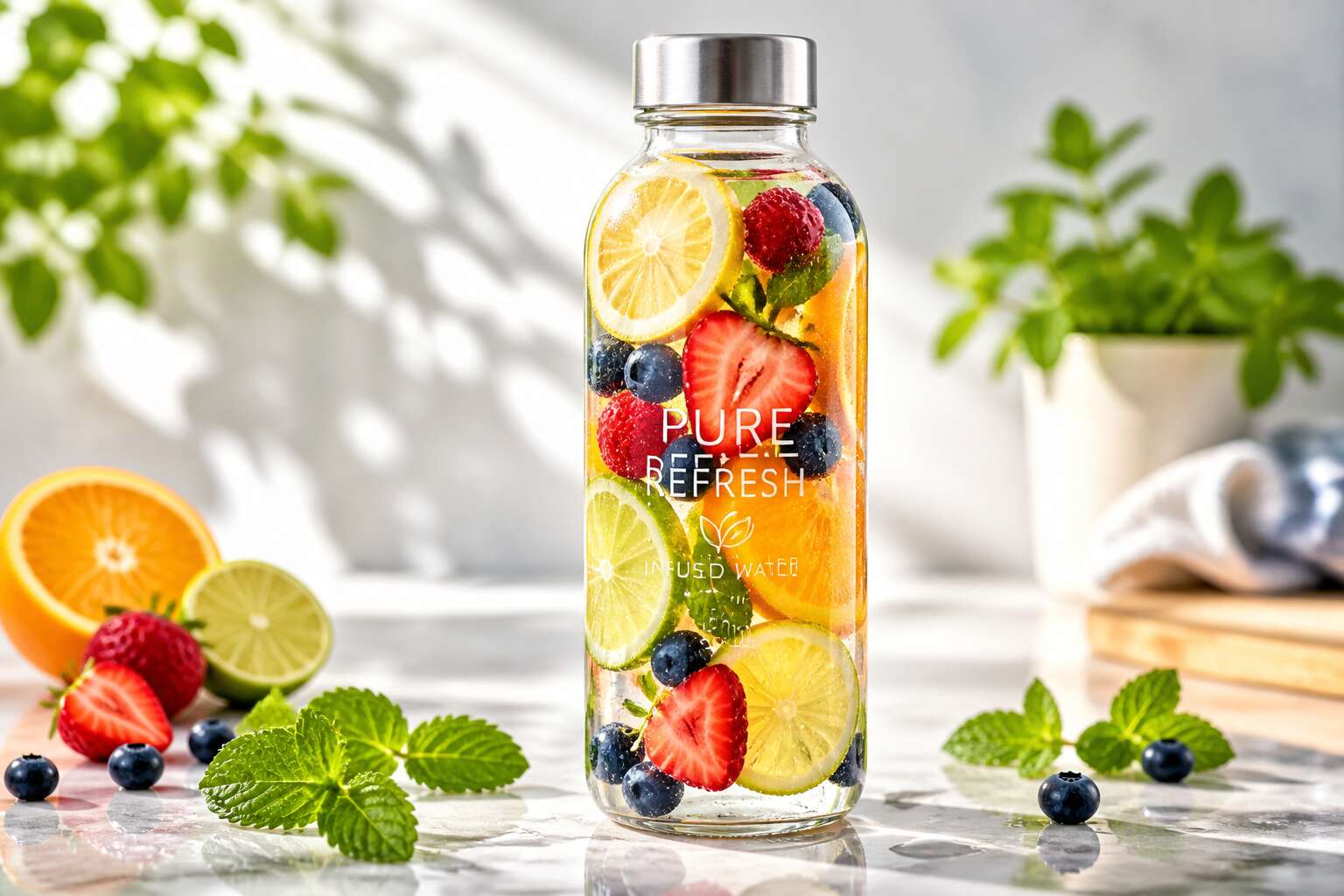
- Infused options that steep real fruit or herbs into the water
South African shoppers choose these drinks to meet daily water needs without monotony. The category grew because it answers a simple need: hydration without a chore.
Perceived Health Benefits Compared to Plain Water
Only a fraction of South Africans meet their daily water intake, yet the perception persists that plain water is the only legitimate source of hydration. Flavoured bottled water challenges that notion. It offers the same fundamental benefit, replenishing fluids, while removing the tedium that drives people away from a glass of tap water.
The perceived advantage is psychological as much as physiological. When water carries a hint of wild berry or cucumber, drinkers consume more of it. That increase in volume matters more than the negligible additives. For those who struggle with plain water, the flavour profiles act as a gentle incentive rather than a compromise.
Consumer Trends and Market Growth Drivers
Walk into any Johannesburg café and you will see the pattern. I have watched bottles of flavoured bottled water appear next to laptops and gym bags with remarkable regularity. Each one signals a small choice: something more interesting than tap water, less guilty than soda. That tension has made flavoured bottled water one of the quiet successes of the South African beverage aisle.
The market has grown steadily since the sugar tax arrived in 2018. Manufacturers responded with sweet-tasting, sugar-free options, and consumers responded by switching. What began as a diet fallback has become a category of its own.
- Shoppers view it as an affordable alternative to soft drinks.
- Urban professionals link it to wellness without tracking sugar.
- Convenience stores stock more because it moves quickly.
Demand is no longer seasonal. It is a staple for road trips, office fridges and family lunches. The water itself has not changed much; the culture around it has.
Key Varieties of Flavoured Bottled Water
Naturally Flavoured vs. Artificially Flavoured
South African shoppers face a simple division when choosing flavoured bottled water: naturally flavoured or artificially flavoured. Natural versions use fruit extracts and essential oils, offering a softer mouthfeel but a shorter shelf life. Artificial versions rely on synthetic compounds, delivering consistent taste and better heat tolerance in our climate.
Consider three practical differences:
- Natural flavours cloud the liquid with real fruit residue.
- Artificial flavours maintain clarity under harsh sunlight.
- Natural products may need refrigeration; artificial ones do not.
The first camp appeals to those who value authenticity. The second appeals to those who value predictability. Both flourish in South Africa, and price varies significantly. A natural version can cost double its artificial counterpart, yet both sell steadily.
Sparkling vs. Still Flavoured Water
The bubbles make all the difference. Sparkling and still flavoured bottled water serve separate needs in South Africa. Still versions are the everyday hydrators. Sparkling versions act as a mild social drink, pairing with meals or outdoor events.
Production separates them clearly. Carbonation demands pressurised tanks and thicker bottles. Still water uses standard bottling lines, which keeps costs lower. In hot weather, sparkling emits gas quickly, so shoppers buy it in smaller packs.
Shoppers notice these differences at the till:
- Sparkling water costs more per litre because of the added carbonation process.
- Still water is lighter to carry, making it the practical pick for hikes and commutes.
Both lines sell well, but for opposite reasons. Sparkling offers ritual. Still offers utility.
Functional Flavoured Waters with Electrolytes and Vitamins
Electrolytes have escaped the sports drink aisle. Functional flavoured bottled water now carries these minerals into everyday hydration. Sodium and potassium support fluid absorption during exercise, while added vitamins like B and C appear in many formulations. In South Africa, hot summers and active routines make these versions a practical choice.
The range breaks into clear categories. Sports blends focus on sodium replacement. Wellness options pair vitamin C with fruit essences. Some formulas include magnesium for muscle function. I have seen labels that list exact milligram amounts, a sign of how specific this market has become.
- Citrus electrolyte blends for post workout hydration
- Berry flavours with added vitamin C
- Green tea infused bottles with B vitamins
Each of these still delivers the light taste people expect from flavoured bottled water.
Caffeine-Infused and Herbal Flavoured Options
Caffeine infusions have turned a humble bottle into a gentle substitute for a second cup of coffee. Many brands now use cold brew coffee concentrate or guarana seed extract to give flavoured bottled water a subtle lift without the acidity or sugars of energy drinks.
Herbal variants take the opposite direction. Chamomile and lavender waters appear on shelves with claims of calm focus, while rooibos, a South African favourite, adds an earthy note with natural sweetness. Others pair lemon verbena with mint for a refreshing, caffeine free afternoon drink.
- Cold brew coffee water with a hint of vanilla
- Yerba mate and citrus blends for steady energy
- Rooibos and honeybush infusions with floral undertones
These offerings expand the definition of flavoured bottled water into territory once reserved for tea rooms and coffee bars, giving consumers more reasons to skip sugary sodas.
How to Choose the Best Flavoured Bottled Water for Your Lifestyle
Reading the Ingredients List and Nutrition Label
I read the ingredients list and nutrition label before any purchase. This habit spares me from hidden sugars and excessive sodium! In South Africa, many flavoured bottled water brands add sweeteners that appear as “natural flavours” but still affect your blood sugar. The label reveals the serving size, which often tricks you into underestimating intake.
The key markers for your lifestyle are simple:
- Total carbohydrates, from all sources
- Sodium amount per serving
- The named botanical or fruit essence, not just “flavour”
Match these numbers to your daily activity. If you sit for hours, choose zero carbohydrate options. If you train, a small sodium amount may help, but that is another topic. Ultimately, the product should contain components you recognise, and the label is the only way to know.
Sugar Content, Sweeteners, and Calorie Considerations
Choosing flavoured bottled water for your lifestyle starts with an honest assessment of your daily energy needs. A deskbound day calls for zero sugar options. An afternoon of trail running might allow a touch of honey or fruit essence.
The sweetener spectrum matters. Stevia and monk fruit are plant derived. Sucralose and aspartame are artificial. Each lands differently in your body. Calories hide in surprising places. A 500 ml bottle with 8 grams of sugar seems harmless until you drink three.
South African heat intensifies the temptation to grab any cold flavoured bottled water from the cooler. Pause. Scan the carbohydrate line. Your lifestyle, not the label’s promises, should dictate the choice.
Packaging, Sustainability, and Environmental Impact
South Africa discards over two million tonnes of plastic packaging each year, and single use bottles form a significant slice of that waste stream. The packaging of your flavoured bottled water deserves as much scrutiny as the ingredient list. A lightweight PET bottle might be convenient for a hike, but its environmental cost extends far beyond the moment you take the final sip.
The material choice shapes the entire product lifecycle. Recycled PET, often labelled rPET, reduces reliance on virgin plastic. Some brands have shifted to aluminium cans, which hold up better in recycling systems. Glass remains heavy and fragile, but it is endlessly reusable. Every option comes with trade offs between transport emissions, shelf life, and recyclability.
Consider the after use journey of your bottle. Does your municipality accept the polymer type? Some collection systems struggle with certain plastics. The cap and label can complicate the recycling process too.
– Check the resin identification code on the bottle.
– Look for packaging made from a single polymer.
– Confirm the cap is attached or made from the same material.
– Prefer brands that clearly report their recycled content.
The best flavoured bottled water for a responsible lifestyle is one whose packaging aligns with your actual disposal habits. A beautifully designed bottle that ends up in a landfill is a failure. A plain bottle that returns to the production loop is a success. The product inside matters, but so does the vessel that carries it.
Price Point and Accessibility
The price of flavoured bottled water shapes its destiny. Across South Africa, a single bottle can cost more than a loaf of bread or less than a minibus fare. Accessibility is not only about which shelves hold the product. It is about the distributor, the spaza shop, the petrol station on the empty road, and the cold chain that keeps each bottle drinkable.
The gulf between a township tuck shop and a Sandton deli is measured in rand. The same brand may carry two different prices, and neither reflects the liquid inside. The factors are mundane and stubborn:
– Transport distance from the bottling plant.
– Retail markup in different income areas.
– Whether the bottle is chilled or shelf warm.
I have watched shoppers weigh a bottle against their daily budget. It is about what the wallet permits when flavoured bottled water becomes a daily habit.
The Production Process: How Flavours Are Added to Bottled Water
Natural Flavour Extraction and Sourcing
Sourcing natural flavour compounds for the flavoured bottled water market requires attention to origin and timing. Producers often partner directly with growers in regions like the Western Cape for citrus and the Karoo for herbs. The choice of raw material influences the final aroma and taste.
Common sources include:
– Cold-pressed citrus peel oils for bright, zesty profiles
– Rooibos and fynbos extracts for earthy, local character
– Berry juices and concentrates for subtle sweetness
Extraction then uses methods such as steam distillation or solvent-free pressing. Each technique captures volatile compounds while leaving behind bitter or astringent components. The purified flavour blends are added to water in small, measured amounts to ensure consistency across batches. This is why flavoured bottled water can maintain its signature taste from one bottle to the next.
Infusion Techniques and Steeping Methods
Temperature swings of just two degrees can change how a flavour compound behaves in water. That precision defines the production process for flavoured bottled water. Producers rely on infusion techniques and steeping methods that respect the volatile nature of natural extracts. Cold steeping, where botanicals rest in chilled water for hours, preserves delicate aromatics. Warm steeping draws out deeper, earthier notes. Some facilities use pressure cycling to accelerate extraction without heat damage.
We have found that the method choice also affects mouthfeel. A shorter infusion keeps the water light and crisp; a longer steep adds body. Flavours are added in small doses, measured by weight, then blended for consistency.
Common techniques in South African facilities include:
- Static tank infusion for large batches
- Continuous flow systems for speed
- Vacuum infusion to protect sensitive compounds
Each approach requires its own calibration. The result is flavoured bottled water that tastes the same from Cape Town to Durban, bottle after bottle!
Quality Control, Storage, and Shelf Life
Once the infusion process is complete, the flavoured bottled water moves to precision blending. Concentrates are measured by mass and injected inline, then mixed using static agitators to ensure uniformity. Every batch is sampled against a sensory benchmark before bottling.
Quality control runs as a continuous loop. South African producers test for pH, dissolved solids, and microbial stability at several stages. Storage also affects shelf life. Light and oxygen degrade volatile compounds, so most facilities use opaque PET and nitrogen flushing.
- Microbial testing before and after filtration
- Batch coding for traceability
- Accelerated shelf life testing at 40°C
Typically, flavoured bottled water lasts between six and twelve months. The flavour fades naturally over time, which is why each bottle carries a best-before date.
Health Considerations and Potential Drawbacks of Flavoured Bottled Water
Hidden Sugars and Artificial Additives
Flavoured bottled water often masquerades as a healthful choice, yet the ingredient panel tells a different story. I have found some brands pack more sugar per serving than a fizzy cola, making every sip a covert calorie transaction. Even the sugar-free varieties rely on artificial sweeteners, which can sidestep the sugar but still sting your gut!
Common additives to scan for:
- Sucralose and aspartame, which can disrupt gut microflora.
- Phosphoric acid, used to extend shelf life but linked to tooth enamel erosion.
- Natural flavours, a catch-all term that may hide chemical solvents.
These elements can transform a simple hydration ritual into a daily chemistry experiment. Reading the label remains the only reliable defence against these unwitting detriments.
Impact on Hydration and Daily Water Intake
Flavoured bottled water can shift your drinking behaviour before you notice it. I have seen people reach for a fruit-flavoured bottle instead of a glass of tap water simply because the taste is more appealing. A 2022 consumer survey in South Africa found that 38% of flavoured bottled water drinkers replaced at least half of their plain water intake with the flavoured version.
That substitution matters because flavour masking can dampen your thirst cues. When your palate receives a sweet or fruity signal, the brain may register satisfaction before your body is actually rehydrated. The result is a lower total fluid volume, especially for those who drink these products for enjoyment rather than need!
- Reduced plain water consumption may affect kidney function over time.
- A chilled bottle at R25 often feels like a treat, yet it can displace two glasses of free tap water.
Dental Health Risks and Enamel Erosion
The citric acid found in many flavoured bottled water products is the quiet culprit. Most fruit flavoured bottles sit well below a pH of 5.5, the critical threshold where tooth enamel begins to demineralise. I have watched patients sip these drinks across an entire afternoon, unwittingly bathing their molars in acid with every swallow. Saliva normally neutralises this assault, but constant sipping overwhelms its repair capacity.
The danger deepens with artificial sweeteners, which can alter the oral microbiome balance, and with sparkling variants, whose carbonic acid compounds the erosion. Dentists in Cape Town report rising enamel sensitivity among young adults who favour flavoured bottled water over tap water. The pain often surfaces only after irreversible thinning occurs.
Consider the exposure pattern:
- Frequent small sips prolong acid contact time.
- Cold temperatures numb early warning pain signals.
- Flavour masking hides the metallic aftertaste that signals acidity.
Acid Reflux and Digestive Sensitivities
For those prone to acid reflux, a bottle of flavoured bottled water can conceal a trigger. Carbonated versions release carbon dioxide, which distends the stomach and relaxes the lower oesophageal sphincter. The result is a burning retrosternal sensation that plain water never causes.
Even still varieties can unsettle sensitive digestion. Citric acid, present in most flavour profiles, increases gastric acidity. Artificial sweeteners add osmotic load, leading to bloating and loose stools in some individuals.
- Sorbitol and xylitol often trigger cramping.
- High acidity mimics reflux symptoms.
- Cold carbonation slows gastric emptying.
Many South African consumers mistake these reactions for dehydration or heat exhaustion. In reality, the flavoured bottled water they trust is aggravating their digestive tract. Recognising this link matters, especially for patients with GERD or functional dyspepsia.
0 Comments