
The Rise of Designer Water – What Makes It Premium?
Defining Designer Water vs. Standard Bottled Water
Water used to be water. A clear, tasteless utility you sourced from a tap without a second thought. Now, shelves groan under the weight of glass bottles promising health, vitality, and a lifestyle upgrade. The shift is startling, and it demands a closer look at what separates an everyday thirst quencher from a premium indulgence.
The distinction between standard bottled water and its designer counterpart begins with provenance. Ordinary brands often sell purified municipal supply, filtered and bottled for convenience. Designer water bottled water alkaline water options, however, argue that source matters deeply. They point to specific aquifers, glacier melts, or mineral-rich springs as the defining feature of their product. This narrative transforms a simple commodity into a story about place and purity, which commands a higher price and a more loyal following.
Alkaline water has carved out a significant niche within this premium market. Proponents claim that its higher pH level can counteract the acidity of modern diets. While scientific debate continues, the consumer appeal is undeniable. It offers a measurable difference from a standard bottle, giving buyers a specific reason to choose it beyond mere hydration. The pH level becomes a badge of intentionality.
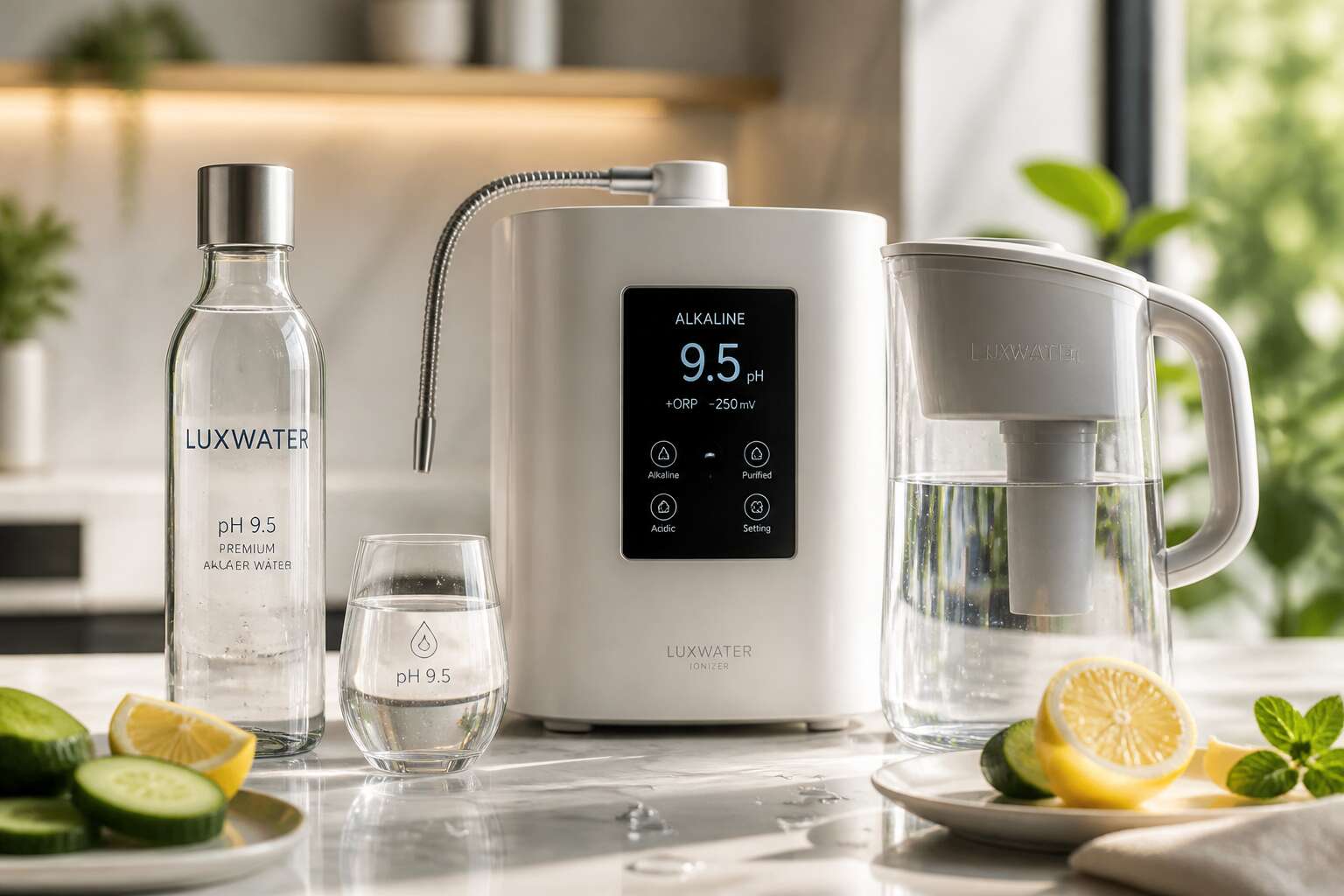
This quest for specific properties has also driven interest in home technology. Water ionizers allow enthusiasts to create alkaline water on demand, bypassing the need for disposable bottles. This device changes the conversation, shifting focus from purchasing a product to creating a bespoke beverage in your own kitchen.
Still, the market for premium bottles persists. When assessing the investment, consider what you are actually paying for, which often includes:
- Unique mineral profiles sourced from exclusive locations.
- Packaging that emphasizes aesthetics or environmental sustainability.
- Brand narratives that focus on wellness and vitality.
For the South African consumer facing water scarcity and quality concerns, the appeal is complex. The choice between a costly imported bottle and a local product is not always straightforward. It involves weighing the perceived benefits of specific minerals against the practical advantages of regular purified water. The market continues to expand, driven by curiosity and a desire for something more than simple refreshment.
Key Influencers and Celebrity-Backed Brands
The rise of designer water is a study in modern aspiration. We have moved beyond simple hydration into a realm where a bottle signifies status, health consciousness, and a certain sophisticated taste. This transformation is not accidental; it is a deliberate shift in how consumers view everyday necessities. The beverage has morphed into a lifestyle accessory, driven by a collective desire to make better choices for our bodies and our environments.
Within this premium segment, alkaline water has secured a prominent position on the shelves. It offers a functional benefit that standard hydration lacks, appealing to those seeking balance in a high-stress world. For many, the higher pH level represents a proactive step toward wellness. When you purchase this product, you are buying the promise of improved recovery and internal harmony. It is a tangible upgrade that justifies the premium price point for a growing demographic of health-focused individuals.
Several factors have accelerated this market growth, but the influence of high-profile endorsements cannot be overstated.
– Celebrity-backed brands often command immediate attention and consumer trust.
– Social media platforms amplify the visual appeal of sleek, minimalist packaging.
– Wellness influencers transform the act of drinking water into a shareable, community-driven ritual.
These elements create a powerful feedback loop, where visibility drives demand, and demand further validates the high cost. This is a dynamic environment where branding is just as critical as the mineral content inside the bottle.
Despite the glamour associated with imported bottled water, a counter-movement is gaining traction, particularly here in South Africa. The savvy local consumer is beginning to question the carbon footprint and the economic sense of shipping heavy liquids across the globe. This is where the conversation shifts from the shopping aisle to the home. The appeal of water ionizers lies in their self-sufficiency, offering a sustainable alternative to endless plastic or glass waste.
By investing in a filtration system that also ionizes, you bypass the retail markup entirely. You are not just purchasing a machine; you are reclaiming control over your daily consumption. This approach provides the same alkaline benefits and customization that the premium brands tout, but at a fraction of the long-term cost. It represents a shift from conspicuous consumption to quiet, efficient investment.
The trajectory of this industry suggests that the demand for enhanced hydration is not a passing trend. Whether you choose a celebrity-endorsed brand for its cachet or an in-home ionizer for its practicality, the underlying motivation remains the same. We are all searching for that perfect blend of purity, health, and performance in every single glass.
Packaging, Aesthetics, and the Luxury Experience
Certainly, here is the next section of the article, focusing on the packaging and aesthetic appeal of designer water while adhering to your specifications.
—
The Premium Package: Why Aesthetics Matter
Let’s be honest about the price tag. A single bottle of designer water can set you back more than a movie ticket, and the liquid inside often tastes remarkably similar to what flows from your kitchen tap. So, what are you actually paying for? It is a carefully curated experience. The true genius of this industry lies not in the H2O itself, but in the theatre of its delivery.
The vessel is the message. A heavy glass bottle feels substantial in your hand, hinting at quality before you even take a sip. The label, often minimal and typographic, whispers of alpine glaciers and Japanese springs, evoking a sense of place that is entirely manufactured. This is a deliberate play on your senses, where the tactile weight and visual clarity are meant to signal purity and status. The allure is potent, and the marketing machine is flawless.
Consider the elements that constitute this presentation:
– The use of frosted or translucent glass to suggest a pristine, untainted source.
– A minimalist label that omits the actual chemical analysis, focusing instead on a brand name that sounds like a luxury car.
– A narrow, tall silhouette designed to fit perfectly in a car’s cupholder, the modern emblem of the commuter class.
However, when you peel away the expensive glass and the exotic provenance, the residual effect is a pile of packaging with a significant carbon footprint. The aesthetic appeal is undeniable, but the utility is fleeting. This is where the conversation pivots from the shopping aisle to the domestic countertop. Investing in a home water ionizer or a high-end filtration system offers that same premium taste and alkaline water benefits, delivered through a sleek tap. The luxury is no longer in the disposal of the bottle, but in the permanence of the appliance that provides it. The true status symbol, it seems, is moving from what you throw away to what you install.
Pricing Strategies and Target Demographics
The market for designer water bottled water has transcended simple hydration. A single 750ml vessel may retail for nearly R200, a price that commands attention in any Johannesburg or Cape Town establishment. This is not about quenching thirst. It is about acquiring a symbol of discernment, a liquid accessory that signals a particular social register to anyone observing the table.
The pricing strategy relies on a subtle inversion of value. Consumers are not paying for the mineral content, which remains largely undifferentiated. They are paying for the narrative of acquisition. The brand constructs a story of a faraway mountain, a protected aquifer, or a proprietary filtration process. The price becomes the proof of the story’s authenticity. The target demographic is the aspirational professional and the host who understands the weight of presentation. For this group, the cost is a barrier that ensures exclusivity.
The consequence of this hierarchy is a clear segmentation of the market.
1. The entry point includes imported European still waters, priced for the weekend market shopper.
2. The next tier features South African artisanal sources, exploiting local terroir for a premium.
3. The apex is the international luxury brand, sold in hotels and private members clubs.
Yet, the pragmatic consumer begins to question the ongoing expenditure. A bottle consumed in a single sitting is a disposable luxury. This recurring cost is what prompts a shift toward equipment. You can replicate the premium profile of these brands at home. The investment in water ionizers or a dedicated filtration system delivers a continuous supply of premium tasting water without the constant purchase of glass bottles. The initial equipment purchase replaces a monthly subscription to disposable luxury, placing the control back in the hands of the consumer.
Bottled Water Decoded – Types, Sources, and Environmental Impact
Spring, Mineral, Purified, and Artesian – Know Your Source
The global thirst for premium hydration shows no signs of slowing, with sales of bottled water skyrocketing past soft drinks to become the world’s most consumed beverage. But as you stand in the aisle staring at a wall of plastic, the real question isn’t just about quenching your thirst; it’s about what you are actually drinking. The distinction between spring, mineral, and purified varieties often gets lost in the marketing noise, yet the source of your water determines everything from its taste to its mineral profile.
Here is a quick breakdown of the primary categories you will encounter:
– Spring Water: Collected from an underground aquifer, this water naturally rises to the surface. It typically retains trace minerals, which can offer a distinct flavor profile.
– Mineral Water: Sourced from a protected underground reserve, this type contains a consistent level of dissolved minerals and trace elements that must remain naturally present.
– Purified Water: This has been heavily processed to remove chemicals and contaminants. It often starts as tap water but is stripped down via distillation or reverse osmosis before being bottled.
While the convenience of plastic bottles remains undeniable, the environmental toll is equally undeniable. The energy required to package and transport these products leaves a significant carbon footprint, and the fact that a vast majority of these bottles end up in landfills rather than recycling plants is a sobering reality. This is precisely why many discerning consumers are pivoting away from single-use plastics and toward the sophistication of designer water, which often prioritizes eco-conscious packaging, or better yet, they are exploring the realm of alkaline water. But rather than paying a premium for water that has been altered in a factory, a practical alternative has emerged: the water ionizer.
This shift away from bottled beverages isn’t just about environmental activism; it’s about control and personalization. When you rely on a home filtration system, you eliminate the guesswork regarding the source and the handling. I find that taking charge of your own hydration setup allows you to tailor the pH and mineral content to your specific needs without the recurring cost of shipping heavy liquids. Ultimately, the most informed choice isn’t about which brand has the sleekest logo, but about whether your daily hydration is serving your health and the planet with equal integrity.
The Glass vs. Plastic Debate in Premium Bottling
Nearly 80% of plastic water bottles end up in landfills, which is a rather inconvenient fact when you are paying R40 for the privilege of drinking water that fell from the sky. The glass vs. plastic debate in premium bottling has become the battleground for those who care deeply about their hydration and the future of the planet, or at least their Instagram feed.
Glass offers a superior taste profile because it does not leach microplastics into your designer water bottled water. It also looks stunning on a dinner table, which matters when you are spending more per litre than you would on a decent bottle of Chenin Blanc. The weight is a nuisance, and the carbon footprint of shipping heavy glass bottles from a Swedish spring to Cape Town is enough to make a polar bear weep.
- BPA and phthalates can migrate from plastic into the liquid, particularly when bottles are left in a warm vehicle.
- Alkaline water loses its beneficial pH balance when stored in lower grade plastics over extended periods.
- The luxury perception of glass remains unmatched, yet its practical inconvenience is equally unmatched.
The alternative to this dilemma is simple. Stop shipping water across oceans and start investing in water ionizers that deliver alkaline water straight from your kitchen tap. You avoid the packaging debate entirely, eliminate the environmental guilt, and still enjoy the mineral benefits you would get from a premium bottle. In South Africa, where municipal water quality can be inconsistent, the control you gain from a home system beats any bottled luxury.
Hidden Additives and Taste Profiles
Walk through the premium beverage aisle and you will notice a peculiar trend. The most expensive bottles are not stocked with wine or craft sodas. They hold humble water, repackaged with a compelling origin story and a price tag that rivals a decent bottle of Bordeaux. The global thirst for premium hydration has transformed a basic utility into a status symbol, but understanding what is actually inside that glass or plastic vessel requires a closer look at the manufacturing and filtration processes.
Most designer bottled water falls into two distinct camps. On one side, you have the “terroir” enthusiasts who champion natural spring water, arguing that the mineral composition absorbed from specific geological formations offers a unique mouthfeel and health profile. On the other side, you have the purification purists who start with municipal tap water and run it through rigorous reverse osmosis to strip it down to H2O molecules, only to add back a proprietary blend of electrolytes for taste. Neither approach is inherently wrong, but the energy required to achieve that “perfect” profile is often substantial, a factor rarely mentioned in the marketing copy.
Beyond the source, the chemical additions are where the industry gets murky. Most consumers assume they are buying pure water, yet the reality involves complex chemical adjustments. Magnesium chloride, potassium bicarbonate, and calcium chloride are common additives used to mimic nature and provide that “crisp” finish. While these are generally recognized as safe, the industrial processing raises a question: are we paying a premium for a manufactured product that merely imitates the natural version we could get from a properly maintained source?
– Purified water often contains trace amounts of disinfectant byproducts, even after filtration.
– Alkaline water frequently relies on ionization to raise pH, but the long-term health benefits outside of acid reflux studies remain debated.
– Many “glacial” or “artesian” labels rely on broad legal definitions that do not specify the exact extraction point.
This brings us to the functional category of alkaline water. Here, the focus shifts from taste to potential physiological benefits, specifically regarding pH balance. The theory suggests that consuming water with a higher pH can neutralize acid in the bloodstream, though the body regulates its pH very tightly regardless of what you drink. The real secret to these products lies not just in the alkaline minerals, but in the equipment used to create them. The oxidation-reduction potential of the water is altered, which is where the claimed antioxidant properties come from.
For the South African consumer facing municipal supply fluctuations, the most efficient path to this premium experience may be a home device. Investing in water ionizers offers you the ability to create fresh alkaline water on demand, bypassing the shipping costs, plastic waste, and energy expenditures associated with hauling weighty bottles from a source to your home. With a countertop unit, you control the pH level, and you can adjust between acidic water for cleaning and alkaline water for drinking. This eliminates the storage problem and guarantees you are not consuming microplastics from a container that has sat in a hot warehouse.
The hidden additives in bottled water are not necessarily harmful, but they are often unnecessary. When you compare the cost per litre of a single-use designer bottle to the long-term investment of a machine that produces the same, if not better, quality water, the economic logic becomes clear. The allure of glass bottles and exotic source names is powerful, but the technology that created the “living water” trend is now accessible, compact, and efficient for your own countertop. The taste of fresh, ionized water is the final convincing argument, and it is a taste you can achieve without leaving the kitchen.
Environmental Footprint and Sustainability Certifications
The true cost of premium hydration extends beyond the shelf price. A 2018 study in the Journal of Cleaner Production found that bottled water’s carbon footprint is 1,400 to 2,000 times higher than tap water, yet discerning consumers still seek its refined character. Sustainability certifications like the Alliance for Water Stewardship provide some guidance, but South Africa has few regulatory frameworks for these claims. When you examine the complete lifecycle, from source to recycling bin, the environmental weight of imported designer water becomes evident. That elegant bottle of alkaline water traveled thousands of kilometers in a refrigerated container. Dedicated water ionizers accomplish the same pH adjustment using municipal water, producing two to three liters of clean hydration for a fraction of the energy. The choice between a fragile glass bottle and a durable local appliance requires no complicated arithmetic when you consider the alternatives.
The Role of Regulatory Standards (FDA, EPA, etc.)
Bottled water falls into several categories. Alkaline water often carries a premium price. Designer water brands market unique mineral profiles. But regulatory oversight varies. The FDA treats bottled water as a food product. The EPA governs public tap water. This split creates a regulatory gap. Water ionizers produce alkaline water at home. They alter pH through electrolysis. This sidesteps plastic packaging entirely.
- FDA sets identity standards for bottled water.
- EPA sets safe limits for municipal supplies.
- Neither fully regulates alkaline pH claims.
The environmental impact of bottled water is clear. Plastic bottles require petroleum. Transport adds carbon emissions. Alkaline water in bottles multiplies this burden. A water ionizer eliminates the bottle. It uses tap water and electricity. The result is alkaline water without the waste. Consumers seeking designer water should examine these trade-offs. The source of your water matters, but so does the container. Regulatory standards lag behind marketing. Choose based on verifiable facts, not labels.
Alkaline Water Explained – Health Claims vs. Scientific Reality
The pH Scale and How Alkaline Water is Achieved
The global market for designer water continues to surge, with premium hydration options appearing on shelves from Cape Town to Sandton. Among these, alkaline water stands out as a popular choice, often promoted as a cure-all for everything from acid reflux to fatigue. But does the science support the hype, or is this just clever marketing? We need to separate fact from fiction when examining these high-pH products.
At its core, the concept revolves around the pH scale, which measures acidity from 0 to 14. Regular bottled water typically sits at a neutral 7, while alkaline variants claim levels between 8 and 9. Proponents argue that our modern diets, rich in processed foods, create an overly acidic internal environment. They suggest that drinking alkaline water can neutralise this acidity, thereby preventing disease and slowing the ageing process.
However, the human body maintains strict blood pH levels around 7.4 through natural processes. The stomach relies on high acidity for digestion, so altering this balance through diet alone is exceptionally difficult. Water ionizers, which electrically charge tap water to raise its pH, are often sold as home solutions for this perceived problem. Yet, the evidence linking alkaline water to significant health improvements remains largely anecdotal rather than conclusive.
What the science does support is hydration. While the antioxidant claims often associated with ionized water are unfounded, adequate fluid intake remains vital. For the average person, the specific pH of your drink matters less than the simple fact that you are drinking enough.
– Many health benefits may be overstated
– Natural spring water offers minerals without processing
– Cost of ionizers is often prohibitive
Ultimately, while alkaline water is safe to consume, you should view it as a lifestyle choice rather than a medical necessity. It is certainly a fascinating segment of the beverage industry, but it is not a replacement for a balanced diet or good sleep.
Potential Benefits (Antioxidants, Hydration) – What Research Says
Alkaline water is often marketed as a solution for modern health problems, from fatigue to digestive issues. The central pitch revolves around the idea that our bodies are too acidic and need help. This narrative oversimplifies how the human body works, but it drives a massive segment of the designer water market. Many consumers purchase bottled water with a higher pH level, or they invest in water ionizers to create it at home, believing they are making a meaningful biological difference.
The reality is that your body regulates its blood pH within a tight range of about 7.35 to 7.45. Your kidneys and lungs manage this constantly, without input from the glass in your hand. Drinking alkaline water does introduce a higher pH liquid into your stomach, but the gastric acid there is far more acidic and neutralizes it rapidly. For a healthy person, the physiological impact of this is minimal. Here is a brief breakdown of what is claimed versus what is often observed:
– Claims of antioxidant benefits: The negative oxidation-reduction potential (ORP) in ionized water is often cited. However, this effect is short-lived in the body and unlikely to have a significant systemic antioxidant impact.
– Claims of improved hydration: Some proponents argue that micro-clustered water is more easily absorbed. Studies do not consistently support that alkaline water hydrates better than standard water.
– Claims of bone health: The theory is that an acidic diet leaches calcium from bones. Research is ongoing, but the evidence that drinking alkaline water specifically reverses bone loss is not conclusive.
This does not mean the product is harmful. It is simply a mistake to view it as a therapeutic agent. When you look at the science, the primary benefit remains fluid intake. If the taste of ionized water encourages you to drink more, that is a legitimate advantage. But the same result can be achieved with a standard glass of water from your tap.
The marketing around these products often uses terms like “restructuring” and “detoxifying” that sound technical but lack medical backing. It is a profitable niche because consumers want a quick fix for complex metabolic functions. A water ionizer is a significant expense, and premium bottled water prices reflect the lifestyle branding rather than the cost of production or inherent health properties.
For the average person in South Africa, staying hydrated with clean, regulated water is the main priority. The body does not require fancy equipment to maintain its acid-base balance. While exploring the range of designer water is fine, the scientific consensus remains rooted in simplicity: a balanced diet and adequate hydration from any safe source do more for your well-being than chasing a specific pH number.
Contraindications and Who Should Avoid It
Alkaline water is not a universal remedy. For most healthy adults, the body’s buffering systems handle the pH shift without issue. But certain groups should approach designer water bottled water alkaline water and water ionizers with caution.
People with kidney disease or those taking medications that affect potassium levels face real risks. The higher mineral content in some alkaline products can alter electrolyte balance. Individuals with gastrointestinal conditions may also experience discomfort.
- Those with renal impairment
- Patients on potassium-sparing diuretics
- Anyone with achlorhydria or low stomach acid
Water ionizers are not medical devices. They produce water that may interact with prescription drugs. If you have a chronic condition, consult a healthcare professional before making this investment.
Water Ionizers – How They Work and What They Actually Change
The Electrolysis Process in Countertop Ionizers
Countertop ionizers depend on electrolysis to split ordinary tap water into two distinct streams. Inside the chamber, charged plates attract minerals such as calcium and magnesium. This process does not create minerals; it simply reorganizes them. The alkaline stream emerges with a higher pH and a negative oxidation reduction potential, which some researchers link to antioxidant activity. The acidic stream is diverted away, often down the drain.
What actually changes is your water’s mineral balance and its pH profile. Here is what happens in practical terms:
- Water flows over platinum coated titanium plates.
- Electric charge separates dissolved minerals by polarity.
- The alkaline fraction becomes your drinking water.
This is why designer water bottled water alkaline water and water ionizers appear in the same conversation. Premium bottled products mimic this effect through artificial remineralization, yet a countertop device offers direct control. Still, outcomes depend heavily on your source water’s starting quality, a factor that matters deeply for South African households using municipal supplies or boreholes.
Acidic vs. Alkaline Output – Understanding the Streams
Water Ionizers – How They Work and What They Actually Change
A countertop ionizer transforms ordinary municipal supply into two distinct streams through electrolysis. The device routes water over charged titanium plates coated with platinum, which separates the minerals into acidic and alkaline fractions. This process does not introduce new elements; it simply reorders the existing calcium and magnesium ions.
Acidic vs. Alkaline Output – Understanding the Streams
The alkaline water emerges from the cathode side with a higher pH and a negative oxidation reduction potential. This is the stream intended for drinking. The acidic water exits from the anode side and is typically directed to the drain, though some households repurpose it for cleaning.
What changes is the pH balance and the electrical charge of the water. The mineral content remains consistent with your source supply. A unit cannot manufacture minerals where none exist, which means the starting quality of your municipal water or borehole water determines the final result. This distinction matters when comparing ionizers against premium designer water or bottled water brands that rely on artificial remineralisation. The device offers real-time control over the pH level, while a bottle delivers a fixed product. For South African households, the practical difference lies in the source quality and the device’s filtration capacity.
Alkalinity Levels, ORP, and Molecular Hydrogen
An ORP reading of -300 mV sounds remarkable, yet it vanishes within minutes. Alkalinity levels, oxidation reduction potential, and molecular hydrogen explain what water ionizers actually change. The machine converts dissolved calcium and magnesium into bicarbonates, raising alkalinity beyond the pH number. This buffering effect is absent from most designer water and bottled water brands, which rely on fixed mineral recipes.
Electrolysis generates molecular hydrogen and drives ORP into negative readings. A glass of alkaline water can show an ORP of -300 mV, while a sealed bottle loses this charge during storage. South African households choose between designer water, bottled water, alkaline water, and water ionizers based on freshness and control. You cannot store molecular hydrogen, but you can produce it on demand!
Here is what each variable means:
- Alkalinity levels reflect buffering capacity, not just pH.
- ORP represents antioxidant potential.
- Molecular hydrogen dissipates quickly, so timing matters.
Installation, Maintenance, and Filter Replacement Costs
Have you checked the price of a premium bottle of designer water lately? It is enough to make you pause. Yet, a growing number of South African households are moving past the novelty of bottled water and looking at a more permanent fixture: the water ionizer. These countertop devices promise a stream of alkaline water on demand, but the real appeal lies in what the technology changes at a molecular level.
A water ionizer works through a process called electrolysis. It passes your standard tap water over charged plates, which splits the flow into two streams. One stream is alkaline, and the other is acidic. This is not about adding mineral powders or artificial compounds. The device reacts with the natural calcium and magnesium already present in your municipal supply. By doing so, it transforms those minerals into more bioavailable forms, while the pH level of the alkaline stream is raised to a level that is typically between 8.5 and 9.5.
To understand what the machine actually changes, you have to think beyond the pH scale. Many users focus solely on the alkalinity, but the true benefit often lies in the ORP, or Oxidation Reduction Potential. A standard glass of tap water usually has a positive ORP, meaning it is oxidative. The ionized water coming out of the tap has a negative ORP, which acts as an antioxidant. The electrolysis process also generates molecular hydrogen, a compound that many researchers are studying for its potential to neutralise harmful free radicals in the body. This hydrogen is unstable in a regular bottle; it dissipates quickly, which is why the water is best consumed fresh from the tap.
This is where the financial reality of maintenance comes into play, and it is a factor that often surprises new buyers. The unit itself is an investment, but the true cost of ownership is tied to the filter cartridge.
– Installation: Most ionizers are DIY-friendly and connect directly to your kitchen faucet with a diverter valve. No plumber is required for standard setups.
– Filter Replacement: This is the critical component. The internal filter removes chlorine, heavy metals, and other contaminants before the electrolysis process. A typical cartridge lasts for about 6 to 12 months, depending on your water quality and usage.
– Electrolysis Plates: These are the engine of the machine. They are self-cleaning in most modern units, but they will eventually wear out after several years, which represents a significant long-term cost.
The ongoing expense of filter replacements must be weighed against the convenience of never having to carry heavy bottles from the shop. While the initial cost of a unit can be steep, the per-litre cost over a five-year period often undercuts the weekly spend on premium bottled water. However, you are not just paying for a different taste. You are paying for the equipment that alters the water’s structure every time you pour a glass.
The distinction between a water ionizer and the alkaline water you buy in a store is significant. Most bottled alkaline water achieves its pH through a process of remineralisation, where minerals are added back into purified water. This creates a stable product, but it lacks the negative ORP and the dissolved molecular hydrogen that you get from a fresh electrolysis unit. The bottled version is a static product; the ionized version is a dynamic one. When you understand that the hydrogen gas is the volatile element that delivers the antioxidant effect, the logic becomes clear: if it is sitting on a shelf for weeks, the potential is gone.
For the discerning South African consumer who is tired of single-use plastics and questionable sourcing, an ionizer offers a self-contained solution. It requires a commitment to maintenance, but for those who prioritise the functional properties of their water over the convenience of a sealed container, it provides an option that bottled water simply cannot replicate. The machine is not a magic wand for health, but it is a precise piece of equipment that gives you control over the chemistry of what you drink, long after the plastic bottle has been recycled.
Comparing Ionizers vs. Bottled Alkaline Water
The bottled alkaline water industry has perfected the art of selling you a static product. That artisanal glass bottle, the premium price tag, the promise of mountain purity, it is all packaging. The actual chemistry inside is often little more than purified water that has been remineralised to achieve a stable pH. This is a perfectly fine beverage, but it is a finished product. The electrolysis process in a countertop ionizer is fundamentally different. It creates a dynamic result that changes the moment it leaves the machine.
The primary distinction lies in the volatile compounds. Freshly ionized water is saturated with dissolved molecular hydrogen, which serves as the antioxidant agent. This hydrogen is ephemeral. It dissipates within a matter of hours, sometimes faster if the water is agitated or stored improperly. Bottled alkaline water lacks this entirely. It is shelf-stable precisely because it is inert. The pH may remain high, but the functional benefits that come from a negative ORP are effectively absent.
For South African consumers, this creates a curious choice. You can purchase a bottle of designer water bottled water alkaline water and water ionizers represent two separate philosophies. The bottled approach is a luxury commodity. It satisfies a need for convenience and status. The ionizer approach is a capital investment. It requires a commitment to maintenance, from filter changes to plate longevity. Consider the practical differences:
– Bottled water offers portability and zero maintenance.
– Ionizers offer control over the water chemistry at the source.
– Bottled water provides a stable pH but a positive ORP.
– Ionizers provide a negative ORP and hydrogen, but only when consumed immediately.
The irony is that many consumers pay a premium for alkaline water that has lost its most valuable property. The pH is the only measurable trait that survives the shipping process. The antioxidant potential, the very reason for the high price, is gone long before the bottle reaches the supermarket shelf. An ionizer does not have this flaw, but it demands that you be present at the moment of creation.
Common Myths and Misconceptions About Ionizer Machines
A water ionizer does not purify. It rearranges what you already feed it. Tap water passes over charged plates, and the machine divides the flow into alkaline and acidic streams. The alkaline stream goes to your glass. The acidic stream empties into the drain, or into a bottle for skin care.
What actually changes is the mineral balance and the oxidation state. Calcium and magnesium concentrate in the alkaline output. The pH rises without added chemicals. The machine shifts existing ions; it does not invent them.
Common myths need burying:
- Ionized water is sterile. It is not.
- Ionized water cures disease. No appliance can.
- Ionized water equals expensive bottled alkaline water. The two diverge entirely.
Designer water, bottled water, alkaline water, and water ionizers belong to one retail shelf but separate processes. The bottle is a static artifact. The ionizer is a fleeting act of chemistry.
How to Choose the Right Water for Your Lifestyle – A Buyer’s Guide
Matching Water Type to Fitness Goals and Daily Needs
Your hydration routine should reflect how your body actually operates each day. A desk worker in Johannesburg has different cellular demands than a trail runner training in the Drakensberg. The right choice depends on your activity level, recovery needs, and even your tap water’s starting quality.
For high intensity training, you might prioritise electrolyte rich spring water. For daily office hydration, a purified bottled water offers consistency without excess mineral load. Alkaline water appeals to those monitoring acidity, while water ionizers provide adjustable pH at home.
- Your training volume and typical sweat rate
- The pH and mineral profile of your municipal supply
- Your monthly budget for premium bottles or filter replacements
Designer water bottled water alkaline water and water ionizers each serve a different relationship with convenience. The cost per litre varies widely, and so does the environmental impact. The format that fits emerges from your daily constraints rather than from label claims.
Budget Considerations – One-Time Purchase vs. Recurring Bottle Costs
A water habit costs more than most people calculate. I have watched friends spend hundreds on premium bottles while ignoring the filter replacement schedule on the kitchen counter. The choice between designer water, bottled water, alkaline water and water ionizers comes down to capital outlay versus recurring cost.
An ionizer machine is a one time purchase, but filters require periodic replacement. Bottled water, including alkaline water, spreads spending across each shop visit. For a Johannesburg household, the decision hinges on consumption patterns.
Here is where the arithmetic becomes interesting:
- A machine costs more upfront but stabilises monthly spending
- Premium bottles create a per use expense that feels smaller than it is
- Filter replacements arrive quarterly, not daily
The true measure is commitment. A casual enthusiast would struggle with a countertop device. A devoted alkaline water drinker will see bottled expenses accumulate quickly!
Home Filtration Systems vs. Premium Bottled Brands
Nearly two thirds of Joburg households buy some form of premium hydration each week, yet most never count the cumulative cost. Choosing between a home filtration system and premium bottled brands requires looking past the label.
For a family that drinks four litres daily, alkaline water from a countertop ionizer becomes a fixed household utility. Bottled water, meanwhile, follows shopping patterns, vulnerable to price hikes and stock issues. Designer water adds another layer of packaging expense. The trade off is control versus convenience.
Consider these factors:
- Filter replacement intervals
- Storage space for bottles
- Water quality consistency
Water ionizers demand commitment to maintenance. Premium bottled water offers instant access. The correct choice depends on whether you prioritise routine or spontaneity.
Finding Trusted Brands and Reading Labels Correctly
A misleading label costs more than a poor purchase; it erodes trust in a category. Designer water brands lean on alpine imagery and mineral boasts, but the source is the detail that matters. The same scrutiny applies to bottled water on South African shelves. If you want alkaline water, verify the pH and how it was achieved, through added minerals or natural filtration. Water ionizers move that responsibility to your countertop, granting live control. Trusted brands disclose their source, treatment method, and mineral profile.
When comparing options, look for an exact source location, a testing date, and total dissolved solids measured in mg/L. Reading labels correctly means separating marketing from measurable data, and I have learned to trust only numbers I can verify. That habit serves you whether you choose designer water, bottled water, or one of the water ionizers that produce alkaline water at home.


0 Comments