
Understanding the landscape of water supply options
Definition and scope of non-traditional water sources
Across South Africa, drought cycles have sharpened a stubborn truth: reliable water supply depends on more than taps. A recent survey suggests nearly half of urban residents consider non-traditional options during dry spells. Understanding the landscape of water supply options reveals a quiet, methodical shift—an evolving catalog of choices that blend infrastructure with community needs. These pathways define alternative water suppliers, expanding both access and resilience in uncertain times!
- Rainwater harvesting systems
- Greywater recycling for irrigation
- Desalinated water and treated wastewater
These non-traditional sources widen the safety net, especially in urban and peri-urban centers across the country. Their resilience lies in local governance, small-scale systems, and scalable partnerships.
Defining non-traditional sources helps planners forecast demand, align billing models, and uphold water quality within new supply chains.
The landscape remains a mosaic of public, private, and community initiatives—quietly reshaping how communities access the lifeblood of daily life.
Common types of alternative water supply models
Across South Africa’s urban landscape, the taps are telling a different story—one of resilience, collaboration, and hidden networks. City halls and communities are testing routes that stretch beyond ordinary supply, turning scarcity into opportunity. A growing chorus of planners speaks of “alternative water suppliers” as a framework—not a gimmick—for balancing reliability, affordability, and water quality. This landscape rewards local governance, small-scale systems, and scalable partnerships over grand, isolated projects.
Common models shaping this field include the following, which adapt to local needs and governance structures:
- Community-owned micro-utilities that serve neighborhoods with ring-fenced supply and metering
- Public-private partnerships that align city utilities with private operators for maintenance and resilience
- Pay-as-you-use arrangements that reward efficiency and curb waste
These approaches hinge on clear standards, transparent billing, and a shared vision of resilience. They offer a modular path to a more navigable water future, where local initiatives become integral to the national lifeline.
Regulatory and market drivers shaping the landscape
Across South Africa’s cities, a stubborn truth persists: up to a third of treated water never reaches the tap in some urban systems. That gap has spurred a shift from monolithic pipelines to a broader, more participatory approach. Understanding the landscape of water supply options, including alternative water suppliers, means tracing how governance, markets, and communities negotiate risk, price, and quality under a variable climate.
Regulatory and market forces bend the arc toward resilience. Policy frameworks emphasize governance transparency, water quality standards, and local stewardship, while market mechanisms reward efficiency and interoperability across networks.
- Clear standards and independent auditing to safeguard quality
- Transparent billing, metering, and data sharing to curb waste
- Procurement pathways that support small-scale, scalable solutions
This landscape rewards governance clarity and sustained collaboration, inviting a spectrum of approaches that balance reliability, affordability, and quality. The result is a modular lifeline where community ingenuity sits beside municipal resolve.
Use-case scenarios for businesses and households
Across South Africa’s cities, roughly one in three litres of treated water disappears before it ever hits a tap, a statistic that nudges planners toward imagination and resilience. The landscape of water supply options becomes a living network, where governance, markets, and communities negotiate risk, price, and quality under a shifting climate. When I consider alternative water suppliers, I see a tapestry in which households and businesses co-create reliability rather than rely on a single artery.
- Small businesses retrofit with rainwater capture and municipal supply to run cooling, washrooms, and irrigation—strengthened by partnerships with alternative water suppliers to cut demand.
- Households blend municipal water with boreholes and greywater for gardens and flushing, keeping quality checks front and centre.
- Hospitality and light industrial users reuse treated effluent for non-potable tasks while maintaining standards.
Categories of non-traditional water suppliers
Municipal partnerships and bulk water arrangements
Across South Africa’s urban centers, up to a third of municipal water is lost to leaks, turning supply into a daily negotiation. In that climate, municipal partnerships and bulk water arrangements emerge as pragmatic pillars of alternative water suppliers, blending public resilience with private efficiency.
Municipal partnerships stitch public assets with private know-how, extending access through shared treatment works and storage. They can reduce outages and spread capital costs. Benefits include:
- Shared infrastructure and risk reduction
- Expanded access through near-site storage and improved treatment
- Aligned demand planning with municipal goals
Bulk water arrangements involve procuring large volumes, often from outside a municipality, for delivery to industrial zones, farms, or townships. They offer price stability and scale efficiencies, while regulators oversee governance to ensure fair access within the broader ecosystem of alternative water suppliers.
Private vendors and refined delivery services
A third of municipal water vanishes into leaks across South Africa, leaving taps dry and budgets strained. In that void, private vendors and refined delivery services step forward as shadowed custodians, offering steadier streams through disciplined logistics and are part of alternative water suppliers.
Private vendors bring water closer to industry and clinics with near-site storage and on-demand purification, while refined delivery services guarantee timely, traceable, quality-controlled drops.
- Mobile treatment and real-time testing
- Temperature-controlled, trackable deliveries
- Flexible, scalable contracts for zones
Together, these channels augment resilience, reducing friction between supply and demand without overshadowing public systems.
Recycled, reclaimed, and greywater suppliers
One in three liters of municipal water vanishes into leaks across South Africa, leaving taps dry and budgets haunted by unseen siphons. In this liquid dusk, alternative water suppliers rise, offering a steadier current through disciplined stewardship and risk-aware planning.
Categories of non-traditional water supply for these channels cluster around three families: recycled, reclaimed, and greywater sources.
- Recycled water from industrial processes and municipal effluent, treated to non-potable standards for cooling, washing, and landscape maintenance.
- Reclaimed water, diverted from wastewater streams and treated for diverse non-drinking uses in factories, offices, and amenities.
- Greywater captured from showers, sinks, and laundry, redirected for toilet flushing and irrigation after modest, safety-minded treatment.
These streams feed resilient networks, aligning with public systems rather than eclipsing them, and demand robust governance, transparent quality controls, and local partnerships.
Rainwater harvesting systems and provider networks
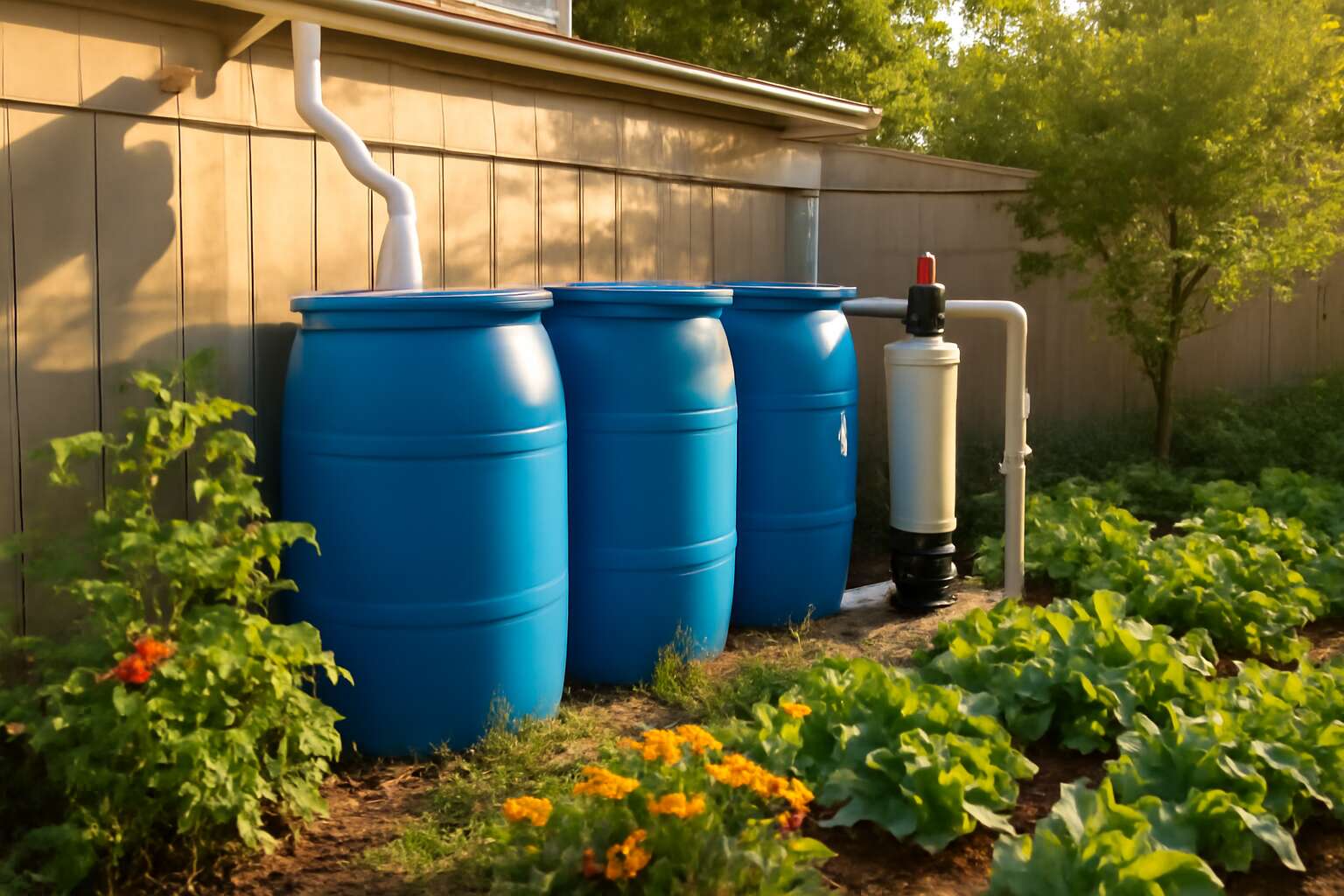
South Africa’s rainfall rhythm is erratic, and rain barrels are no longer a novelty — they’re a resilience tactic! Rainwater harvesting systems and provider networks are reshaping the landscape of alternative water suppliers, leaning on local know-how and communal maintenance.
These networks stitch together roofs, gutters, cisterns, filters, and pumps with local installers, monitoring services, and spares. A typical setup stores non-potable rainwater for irrigation, toilet flushing, and cooling in homes, schools, and factories. The system is designed to work with municipal supplies, not replace them, and thrives on clear maintenance schedules and transparent quality controls.
- Collectors and gutters that direct runoff
- Storage tanks sized for household or facility demand
- Filtration and safe disinfection
- Maintenance partnerships and service networks
These rainwater harvesting systems and provider networks illustrate how communities may reduce leaks and stretch budgets while staying aligned with public systems.
Benefits and risks of switching to alternate water sources
Cost savings, budgeting, and return on investment
South Africa’s climate makes water planning urgent. “Water is the lifeblood of every business,” some say, and it’s true when tariffs rise and drought tightens the taps. Alternative water suppliers can spread risk and often trim monthly bills, turning drought-season spikes into a steadier rhythm. That steadiness helps with budgeting, and the return on investment begins to hum when procurement gains predictability instead of chaos!
Benefits include:
- Lower and more predictable water bills—critical during tariff shifts
- Cleaner budgeting with stable cash flows across seasons
- Realizable long-term ROI through reliable supply and scale
For corporate and household planners in South Africa, this tapestry of reliability is worth weighing against potential trade-offs.
Risks exist, notably quality variability, delivery timelines, and contracts that bind flexibility. Weighing these against budget predictability and resilience remains essential.
Reliability, quality, and regulatory compliance considerations
“Water is the lifeblood of business,” they say—and in South Africa, that lifeblood becomes a budgeting chokepoint when tariffs rise and drought tightens taps. alternative water suppliers offer a steadier rhythm, guarding margins and keeping operations resilient. Reliability and predictable costs become a competitive edge in volatile seasons.
Here are tangible benefits that a thoughtful switch can unlock:
- Steady access across seasons, reducing supply gaps
- Transparent pricing and predictable cash flow
- Scalable capacity to match growth without renegotiating assets
Risks exist, notably quality variability, delivery timelines, and contracts that limit flexibility. With alternative water suppliers, robust quality controls, clear service levels, and diligent regulatory compliance become essential—regular testing, adherence to standards, and proper permits support trustworthy delivery.
Environmental impact and sustainability metrics
Across South Africa, droughts shape budgets from farm gates to factory floors. Switching to alternative water suppliers can steady the rhythm—reducing outages and smoothing cash flow when seasonal strain hits. It lets production hum and margins stay resilient, even in hard times.
Benefits include:
- Steady access across seasons, reducing supply gaps
- Transparent pricing and predictable cash flow
- Scalable capacity to match growth without renegotiating assets
Risks exist—quality swings, delivery delays, and rigid contracts. With clear SLAs and honest vendor governance, risk can be managed.
Environmentally, look for a smaller water footprint, lower energy intensity, and meaningful reuse of wastewater.
- Water footprint per unit of output
- Energy use per cubic meter delivered
- Wastewater reuse rate
Security, privacy, and dependency risk management
Across South Africa, drought-driven outages ripple through budgets from farm gates to factory floors. Sometimes the only thing that keeps production humming is a new source—alternative water suppliers—that smooths the seasonal rollercoaster. Switching to these can steady supply, reduce downtime, and stabilize cash flow when rains fail and demand climbs. The upside is tangible: continuity, transparent pricing, and capacity that grows with you.
- Continuity across drought cycles
- Predictable costs and budgeting
- Flexible capacity to scale with demand
Risks exist—quality swings, delivery delays, and rigid contracts. Security, privacy, and dependency risk management matter as much as price. A disciplined approach—clear governance, data protections, and supplier diversification—keeps the shadows at bay and preserves resilience when the metering becomes unpredictable.
How to evaluate and select a water supplier
Defining your water needs and quality requirements
Reliability with water is less about romance and more about who keeps the taps honest when the weather forgets its manners. In South Africa, where droughts flirt with the calendar and municipal supply can resemble a rom-com with mislaid scripts, choosing alternative water suppliers becomes a test of judgment and social tact. The right partner anticipates both the science of quality and the theater of service, and that is where evaluation begins.
Defining your water needs and quality requirements sets the stage:
- Volume and continuity expectations
- Key quality metrics (taste, odor, turbidity, microbial safety, salinity)
- Regulatory compliance and testing frequency (SANS 241; local norms)
- Geographic coverage and delivery logistics
- Service levels, reporting, and data transparency
Beyond the numbers, request transparent data, certifications, and references. Consider responsiveness, testing robustness, and alignment with South Africa’s environmental and regulatory standards. The right mix of risk tolerance, quality assurance, and professional courtesy will separate the worthy from the merely expedient.
Due diligence: licenses, certifications, and audits
Leonardo da Vinci once noted, “Water is the driving force of all nature.” In South Africa, that force tests more than weather—it tests trust. When selecting a partner for your water needs, the question is accountability as much as quality. The right provider backs decisions with transparent records and credible credentials, turning risk into structured reliability that weather and logistics can’t easily disrupt.
Due diligence starts with licenses, certifications, and audits. Seek regulatory compliance, independent testing, and clear reporting cycles, and verify references from local users. The best alternative water suppliers balance rigor with responsiveness, translating data into steady service rather than marketing spin. Consistent documentation often speaks louder than promises when taps go dry.
Comparing proposals: total cost of ownership and SLAs
Reliability is the scarce commodity in South Africa’s water market. The right proposal balances price and promise: total cost of ownership tells you what the contract will really cost over its life, while SLAs spell out what the supplier must deliver and when. In practice, this pairing reveals value beyond a glossy pitch and helps separate alternative water suppliers from the noise.
When you weigh options, consider a concise set of criteria clearly laid out in the proposal. For example, the following elements should be easy to compare:
- Total cost of ownership: upfront fees, ongoing charges, maintenance, downtime costs, and end-of-term replacements
- SLAs: uptime guarantees, response and resolution times, quality specifications, and penalties or remedies
- Delivery reliability and geographic coverage
- Data reporting, audit trails, and transparency of invoicing
- References from local users and performance metrics
Choosing among alternative water suppliers isn’t merely about the cheapest quote. The standout offers align pricing with performance, backed by transparent reporting and credible credentials. Look for proposals that translate data into predictable delivery, turning risk into reliability that weather and logistics can’t easily disrupt.
Pilot testing and performance validation
Across South Africa, reliability is the scarce currency in water sourcing. “Reliability is currency, not discount,” a seasoned procurement lead often says, and the point lands hard when a single outage halts production. When evaluating alternative water suppliers, start with a concise pilot testing and performance validation plan that reveals real behavior—not glossy promises.
Pilot testing and performance validation become the truth-tellers, translating data into confidence. Look for clear indications of water quality, consistency, and responsiveness under varying demand, paired with transparent reporting trails. The strongest proposals map pilot outcomes to credible credentials and real-world delivery, turning risk into reliability that weather and logistics rarely disrupt.



0 Comments