
Hydration Packaging Formats and Comparisons
Product Formats and Variants
Packaging is the quiet salesperson, guiding our cravings before a sip crosses our lips. When comparing bottled water vs canned water, format isn’t just a label—it’s a decision that travels from the office desk to the dusty veld during a weekend hike.
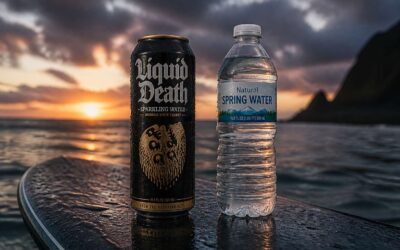
Hydration formats split into two streams with distinct vibes. For convenience and cold efficiency, you’ll find PET or glass bottles alongside aluminum cans, and sizes range from 330ml pockets to generous 1L options.
- Single-serve aluminum can (330ml)
- Multi-pack aluminum cans (6–12 pack)
- Slimline PET bottle (500ml)
- Premium glass bottle (750ml/1L)
South African shelves mirror a blend of practicality and urban flair, with cans great for sport and events, and bottles gracing homes and offices. I notice the format mix keeps the dialogue alive, balancing sustainability, price, and portability without surrendering taste!
Sustainability and Environmental Considerations
Packaging speaks louder than the splash itself — as one sustainability advocate puts it, “Packaging is the handshake with the future.” The choice between bottled water vs canned water isn’t just about taste or price; it’s a lifecycle decision that echoes from corporate desks to the dusty veld on weekend hikes. In South Africa, recyclability, weight, and end-of-life handling shape the real costs of each format.
Key environmental factors to weigh:
- Recyclability and collection rates in SA
- Transport weight and energy use
- Reuse potential vs single-use impact
Brands that invest in clear labeling and responsible take-back programs help consumers steer toward sustainable hydration choices without sacrificing convenience.
Market Dynamics and Accessibility
Packaging is the handshake with the future, and in South Africa that handshake must weather sun, dust, and the fragility of the supply chain. The bottled water vs canned water debate isn’t merely about taste; it’s a study in market velocity—who can reach the consumer first, at what price, with what end-of-life certainty. Clarity in labeling and distribution design shapes accessibility more than a glossy claim ever could, as we trace the journey from plant to pump to pocket.
To map the market dynamics and accessibility, consider how each format fits into daily rhythms and regional retail realities.
- Urban convenience channels and vending dynamics
- Rural and peri-urban distribution realities
- Promotions, branding, and consumer perception cycles
The flow of packaging choices tilts toward formats that marry durability with recyclability, guiding South Africa’s shelves through evolving habits and the quiet arithmetic of transport and turnover.
Consumer Health and Perception
Heat and hustle carve the truth of hydration choices across South Africa. Packaging becomes a passport to refreshment, shaping how quickly a sip lands on the tongue and how neatly a bottle can ride a crowded commuter train. Plastic and metal whisper different promises, quietly guiding preference. I notice the cap’s snap often hints at the pace of a day!
Hydration formats vary in material, durability, and lifecycle. The key contrasts are:
- Materials and taste implications
- On-the-go practicality and seal integrity
- Durability in heat, dust, and transit
- Recyclability and end-of-life realities
From a consumer-health vantage, perception matters. Can linings be BPA-free? Do cans impart a fleeting metallic note, or is the sip preserved by modern polymers? In the end, the choice between bottled water vs canned water is about trust, convenience, and disposal realities in South Africa.

0 Comments