
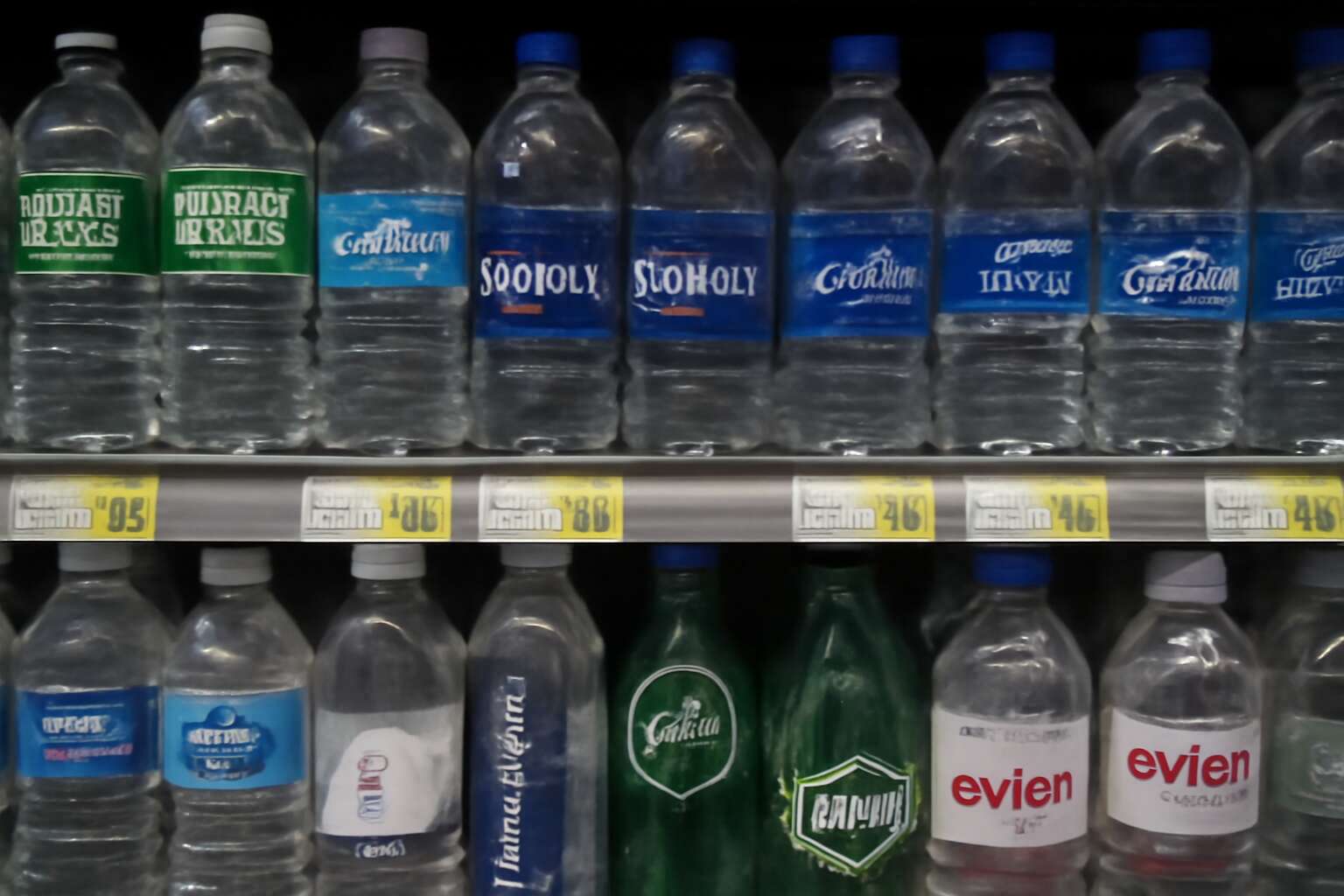
Factors Influencing Bottled Water Pricing
Quality of Water Source – Impact of natural springs, mineral content, and purification processes on cost
Water, that elusive commodity, can fluctuate in price more wildly than a soap opera plotline. In South Africa, the bottled water price is influenced significantly by the quality of its source. Imagine tipping your glass into a pristine natural spring nestled high in the mountains—such purity demands meticulous extraction and preservation, inevitably driving up costs. Mineral content, another critical factor, doesn’t just enhance the taste; it adds a layer of complexity to the pricing model. Waters rich in natural minerals may command a premium, appealing to health-conscious consumers craving a touch of luxury in their hydration ritual.
Purification processes further escalate the bottled water price, especially when involving advanced filtration and sterilization techniques. These procedures, though essential to ensure safety and clarity, add a layer of sophistication that inflates both production costs and retail prices. For instance, some brands opt for ozonation or UV sterilization, investments that trickle down into the final cost. It’s fascinating how such factors—ranging from natural springs to bio-safety measures—together shape the pricing landscape in South Africa’s bottled water market.
Brand Reputation and Market Position – How well-known brands command higher prices compared to store brands
In the complex tapestry of the bottled water market, brand reputation and market positioning wield a significant influence on the bottled water price. When you think about the most coveted brands, their premium prices are not simply a reflection of marketing prowess but an attestation to perceived quality and trustworthiness. Consumers are willing to pay a higher bottled water price for brands that have built a reputation for purity, sustainability, and social responsibility. These brands often invest heavily in marketing, ensuring that their image resonates with health-conscious and eco-aware customers, justifying the elevated costs.
South Africa’s bottled water market exemplifies this dynamic vividly. Consumers consistently associate well-known brands with reliability, pushing their bottled water price into the higher spectrum compared to store brands. This disparity isn’t arbitrary; it stems from a layered perception that these brands uphold rigorous standards in source protection, processing, and packaging.
- Recognition and trustworthiness
- Historical quality assurance
- Market exclusivity and brand prestige
Market leaders often position themselves as premium options—adding an aspirational allure that justifies a higher bottled water price. For many, the choice of bottled water isn’t just about hydration but aligns with lifestyle and identity. As such, brand reputation doesn’t merely influence the cost but also shapes societal perceptions around health, luxury, and social status. This intricate interplay makes brand reputation a crucial factor in understanding why the bottled water price varies so markedly in South Africa. Truly, the story of bottled water pricing reveals as much about societal values as it does about the commodity itself!
Packaging Materials and Design – Effect of bottle type, size, and eco-friendly packaging on price
The packaging of bottled water plays a crucial role in its final bottled water price. It’s not just about protecting the water, but also about how the bottle appeals to consumers and aligns with their values. Different bottle types and sizes influence costs significantly. For instance, small single-serve bottles are cheaper to produce but often carry a higher price per litre than larger, bulk options.
Eco-friendly packaging, such as biodegradable bottles or those made from recycled plastics, often increases manufacturing costs. These sustainable choices appeal strongly to eco-conscious buyers—an essential demographic in South Africa’s market. As consumers become more aware of their environmental impact, brands must balance eco-friendly standards with competitive bottled water pricing.
In essence, the choice of packaging materials and design directly influences the bottled water price. Companies often opt for innovative bottle shapes, tamper-evident seals, or lightweight materials—each adding a different layer of cost. For many brands, this premium is justified by the growing demand for sustainable options and attractive presentation. The result? A bottled water price that reflects both quality and consumer preferences in South Africa’s dynamic market landscape.
Distribution and Supply Chain Costs – Influence of transportation, storage, and regional availability
In the vibrant corridors of South Africa’s bottled water market, the price tag is not merely a number—it’s a dance of many unseen factors. One of the most influential elements is the distribution and supply chain network, a web woven with transportation routes, storage facilities, and regional demand. When water bottles journey across rugged terrains or traverse sprawling urban landscapes, costs inflate rapidly, impacting the bottled water price at every step.
Transportation expenses, influenced heavily by fuel costs and logistical efficiencies, can make or break the final price. Remote regions, for example, often witness higher bottled water prices due to longer delivery routes and limited infrastructure. Storage and warehousing also add to expenses, especially when maintaining optimal conditions is vital for water quality preservation. Sometimes, supply chain bottlenecks lead to scarcity, pushing prices beyond the ordinary.
Consider the delicate art of regional availability—certain areas might experience inflated bottled water prices simply because supplies are limited or demanding schedules stretch thin. As supply chains adapt through innovative solutions such as regional bottling or local sourcing, the overall pricing landscape remains fluid. The delicate balance between efficient distribution and market demand shapes what consumers ultimately pay for bottled water, making it a captivating interplay of logistics and market dynamics.
Types of Bottled Water and Their Price Range
Spring Water – Typical costs and market segments
Within the shimmering realm of bottled water, the tapestry of pricing is as intricate as the crystal-clear springs themselves. Among the many types, spring water emerges as a perennial favorite, captivating consumers with its pristine origin and unadulterated purity. Its typical costs swing like a pendulum depending on the market segment, from affordable retail options to premium, artisanal offerings. In South Africa, the bottled water price for spring water generally ranges from R10 for basic, high-volume bottles to R40 or more for exclusive, luxury brands sourced from untouched volcanic springs.
The allure of spring water lies not only in its origin but also in the story it tells—of ancient aquifers whispering secrets of millennia. It’s this mystique that often elevates their market segment, making them a popular choice for consumers seeking both health and a touch of luxury. Often, the price reflects the journey from nature’s untouched reservoirs to the shelves, with factors such as bottling techniques and regional accessibility influencing the final bottled water price. For those seeking clarity amidst the crystalline waters, understanding these variables reveals much about what makes a bottle of spring water worth its weight in refreshment.
Mineral Water – Premium pricing based on mineral content and source
When it comes to bottled water, the variety is as vast as the African savannah’s sunsets. Among the most regal of options is mineral water—nature’s own elixir packed with minerals that give it both a health halo and a heftier price tag. The bottled water price for mineral water is often determined by its mineral content and source. The rarer the mineral-rich springs, the more you’ll pay—think of it as liquid gold that’s sometimes sourced from remote mountain streams or deep underground reservoirs. Premium mineral waters command a higher price because of their unique geological origins, which are difficult to replicate.
Consumers seeking luxury mineral water varieties often find that the bottled water price can range from R25 to R80 per bottle—depending largely on the brand and mineral concentration. These waters often boast a story, like being sourced from pristine volcanic springs or protected aquifers, elevating their market position. Whether it’s the delicate fizz or the bold mineral profile, each sip offers a taste of exclusivity that justifies the price. The blossoming trend of eco-friendly packaging also influences the bottled water price, as brands strive to balance environmental responsibility with consumer luxury cravings.
Artesian and Well Water – Pricing considerations for various underground sources
Among the many waters that cascade from nature’s hidden depths, artesian and well water stand as silent witnesses to Earth’s quiet artistry. Their prices dance along a spectrum shaped by geological mystery and the journey from source to siphon. Unlike mineral water, which boasts a mineral-rich profile commanding a premium, artesian and well waters often whisper tales of their underground origins, illuminating a different facet of bottled water price. The cost of these waters hinges on their sourcing—whether drawn from artesian wells piercing through ancient rock layers or from carefully managed underground reservoirs—each factor subtly influencing the final retail tag.
In the South African market, artesian and well water typically fall within a moderate to high price range. Consumers often find that artesian water, sourced from deep underground aquifers under pressure, tends to command a higher bottled water price—sometimes eclipsing R15 to R40 per bottle—due to its perceived purity and natural pressure filtration. Well water, on the other hand, can be more accessible, though quality varies depending on regional geology and purification processes. The exceptional allure of well or artesian water is often tied to its geographic rarity and the meticulous extraction process—an element that significantly elevates the bottled water price.
- Source Rarity: Waters drawn from remote, less accessible underground sources naturally fetch a higher price.
- Extraction Complexity: The drilling and maintenance of artesian wells involve engineering feats that translate into a premium price.
- Purification Standards: Ensuring contaminant-free water from underground reservoirs often demands advanced filtration, adding to the overall bottled water price.
As the market embraces eco-conscious packaging, the fusion of sustainability and premium sourcing only heightens the allure—and the cost—of artesian and well waters. The confluence of natural purity, geological intrigue, and conscientious packaging sets these waters apart, carving their niche within the complex tapestry of bottled water pricing in South Africa. An elegant dance of nature and human ingenuity, all bottled neatly, waiting for eager palates to savor its unique story.
Flavored and Enhanced Water – Additional costs associated with added nutrients and flavors
Flavored and enhanced waters have emerged as a vibrant segment within the bottled water market, captivating consumers seeking more than just hydration. These waters often come with added nutrients, vitamins, or natural flavors, elevating their allure and, inevitably, their bottled water price. The cost for these added elements can vary significantly, influenced by the quality and concentration of beneficial ingredients. Typically, flavored water might command a premium of 20-30% above plain bottled water, reflecting the complexity of infusion and natural flavor sourcing.
In South Africa, the market segment for enhanced waters is growing, fueled by health-conscious consumers willing to invest in wellness-infused hydration options. The price range can stretch from R15 to R50 per bottle, depending on the brand, flavor complexity, and packaging design. Some brands incorporate botanicals or exotic fruits which further increase the bottled water price due to the rarity and sourcing costs of such ingredients.
Consumers should also factor in the premium nature of packaging—sleek bottles, eco-friendly materials, and eye-catching labels—each contributing to the overall cost. When exploring the world of flavored and enhanced bottled water, it becomes clear that the journey from source to sip isn’t just a matter of purity but also one of flavor interpretation, ingredient rarity, and innovative presentation. The fusion of nourishment and aesthetics in bottled water makes this segment not only a taste adventure but a reflection of evolving market values, pushing the bottled water price to new heights.
Luxury and Premium Brands – Exclusive bottled waters and their high-end pricing
Luxury and premium bottled water brands transcend mere hydration; they evoke a sense of exclusivity that many consumers find irresistible. These high-end waters often boast sources from pristine natural springs, where mineral content is meticulously balanced and purity is unrivaled. The bottled water price for such exquisite options can reach astonishing heights, often reflecting not just the water’s origin but also the artistry of packaging and presentation. It’s common to encounter bottles priced well above the mainstream, making them coveted collectibles or symbology of status.
In South Africa, the allure of these luxury brands is compounded by the scarcity of their sources and the meticulous craftsmanship involved. Often, these waters come housed in designer bottles crafted from eco-friendly materials—each element contributing to the overall bottled water price. Consumers are thus paying for more than just hydration; they are investing in an experience that combines purity, elegance, and exclusivity.
- Price tags for such premium bottled water can hover between R50 and R200 per bottle, depending on the rarity of the source and the prestige of the brand.
Choosing a luxury bottle becomes an act of discerning self-expression, a statement that elevates the simple act of drinking water into a ritual of refinement. The bottled water price here isn’t merely a reflection of contents but an acknowledgment of craftsmanship, rarity, and human ingenuity—elements that continue to redefine what water can symbolize in our modern world.
Market Trends and Price Fluctuations
Seasonal Variations – How weather and seasonal demand affect bottled water prices
Market trends and seasonal variations have a profound impact on bottled water price fluctuations. During hot summer months, demand skyrockets as consumers seek relief from the heat, causing prices to rise. Conversely, in cooler seasons, a drop in demand often leads to more competitive pricing. Weather patterns play a crucial role here; droughts or heavy rains can alter water supply levels, influencing bottled water prices across regions.
Regions with unpredictable weather see more volatile bottled water price changes. For instance, a prolonged drought may restrict supply, driving prices higher. In contrast, abundant rainfall can flood supply channels, stabilizing or even lowering costs temporarily. Here’s how seasonal demand shapes the market:
- Increased consumption during heatwaves or dry spells
- Reduced demand in winter or rainy seasons
- Supply chain disruptions caused by extreme weather events
These seasonal dynamics make bottled water price sensitive to climate variations, reinforcing the importance of understanding market seasonality when purchasing. The interplay of weather and seasonal demand underscores the fragile balance in the bottled water industry, which is often at the mercy of nature’s unpredictable temperament.
Economic Factors – Influence of inflation, tariffs, and currency fluctuations
In the shadowed corridors of the bottled water industry, economic forces carve a silent but relentless path. Inflation creeps like an unseen specter, gnawing at production costs and, in turn, tugging at the price tags that cling to every bottle. Tariffs—those invisible barriers—restrict and inflate raw material expenses, turning a simple sip into a costly indulgence. Meanwhile, currency fluctuations dance with erratic grace, making imported mineral waters or exotic sources a gamble for traders and consumers alike.
The delicate equilibrium is shattered or restored by these shifting economic tides. During turbulent times, the bottled water price can fluctuate wildly, echoing the chaos of a storm at sea. It’s in these moments that the industry’s resilience is tested. For buyers in South Africa, understanding this mercurial landscape becomes vital—each change whispering tales of distant markets and unseen forces swirling beyond the horizon.
Environmental and Regulatory Impact – Effects of eco-friendly initiatives and regulation compliance on costs
Market trends in the bottled water industry reveal a fascinating tug-of-war between innovation and regulation. As eco-friendly initiatives gain momentum, companies are increasingly investing in sustainable packaging materials and eco-conscious branding efforts. This shift often leads to higher production costs, subsequently inflating the bottled water price. Consumers might find themselves paying a tad more for that green logo, but the environmental payoff could be worth it.
Meanwhile, regulatory frameworks are tightening, imposing stringent standards to ensure water safety and packaging compliance. These measures, while crucial, add layers of costs—sometimes hefty—that inevitably trickle down to the end consumer. For instance, recyclable bottles and biodegradable wraps, while environmentally noble, often command a premium in manufacturing.
A quick snapshot of the landscape shows that sustainable practices and regulatory adherence can elevate the bottled water price by several percentage points. Such fluctuations mirror broader environmental and legislative trends, making each purchase a small act of climate-conscious rebellion—or so it seems!
Consumer Demand and Preferences – Shift toward sustainable and premium options influencing prices
Market trends in the South African bottled water industry reveal an intriguing shift driven by consumer demand and evolving preferences. Today’s buyers are increasingly willing to invest in sustainable and premium options, viewing bottled water not just as a necessity but as a symbol of lifestyle choice. This desire for quality and eco-consciousness pushes the bottled water price upward, reflecting a willingness to pay more for responsibly sourced and environmentally friendly products.
Consumers now seek out bottled waters that promise purity, mineral richness, or unique sources. As a result, brands offering artesian, mineral, or spring water often command a premium, underlining the importance of origin in pricing strategies. Additionally, flavored and enhanced water varieties—loaded with added nutrients and natural flavors—also influence the overall bottled water price, making each purchase a combination of health conscious decisions and indulgence.
Amidst these changes, the demand for packaging materials and design plays a vital role. Eco-friendly bottles and innovative designs elevate the perceived value, which can significantly impact the bottled water price. Whether it’s a sleek, biodegradable wrap or a portable mini-size, these features resonate with conscious consumers willing to pay extra, reinforcing the trend toward sustainability and luxury in bottled water.
Ultimately, the marketplace’s pulse reflects a broader shift: consumers are investing in quality, sustainability, and style. As preferences evolve, so too does the willingness to accept higher bottled water prices—each sip representing a conscious choice that aligns with a greener, health-focused lifestyle.
Global Supply Chain Disruptions – Impact of supply chain issues on bottled water availability and pricing
Supply chain disruptions have become an invisible force shaping the bottled water price landscape across South Africa. As global logistics falter—transport routes clogged, ports congested—availability shrinks, and prices soar unexpectedly. This isn’t just about shipping delays; it’s a ripple effect impacting everything from regional distribution to retail shelves. Consumers feel the pinch when bottled water becomes scarce, prompting brands to adjust prices to compensate for increased costs.
Particularly, regional supply constraints and unpredictable transportation costs push the bottled water price upward, especially for premium and imported variants.
- Increased freight tariffs
- Limited access to raw materials
- Reduced stock levels
These factors contribute to a volatile market that leaves consumers and retailers navigating a delicate balancing act. As the global supply chain remains unstable, the fluctuations in bottled water price are becoming more pronounced, making each purchase a reflection of the complex interconnected web of production, transport, and market demand.
Cost Comparison and Saving Tips
Buying in Bulk – Cost benefits of larger packs and wholesale options
Amidst the shimmering haze of economic fluctuations, one truth remains unvarnished: the bottled water price is often a mirror reflecting our consumption desires and savings ingenuity. Larger packs and wholesale options beckon with an almost sirenic call, offering a siren’s promise of cost savings that stretch far beyond fleeting convenience. When you buy in bulk, the cost per litre diminishes, transforming what might seem an ordinary expense into a judicious investment. For example, a 24-pack of mineral water can cut the overall bottled water price significantly, making each bottle more wallet-friendly without sacrificing quality.
To maximize these benefits, savvy consumers gravitate towards bulk purchasing—often available through local suppliers or online platforms—capitalizing on economies of scale that defy conventional pricing. Some marketplaces even feature tiered discounts, encouraging shoppers to stockpile while enjoying an affordable bottled water price. Ultimately, this strategy not only coolly balances your budget but also lessens the environmental footprint associated with frequent trips and packaging waste—an elegant dance of economy and ecology intertwined. The secret lies in recognizing that, sometimes, the greatest savings are hidden within larger, more deliberate choices.
Choosing Store Brands – How generic brands compare in price and quality
When it comes to shopping for bottled water, there’s often a surprising disparity in the bottled water price between generic store brands and big-name labels. The truth is, you don’t need to blow your budget for quality hydration. Store brands typically offer comparable purity and mineral content at a fraction of the cost—sometimes up to 50% less—making them a savvy choice for the thrifty consumer. This isn’t necessarily about sacrificing quality; it’s about choosing wisely in a crowded marketplace.
Looking to maximize your savings? Focus on the details behind the bottled water price: larger bottles or multi-pack deals often carry tiered discounts that savvy shoppers can leverage. Some stores even run special promotions on their house brands, offering an even more attractive bottled water price. Remember, the key is to compare what’s on the label against what’s in the bottle—sometimes store brands pack a punch both in quality and wallet-friendliness!
Purchasing from Local vs. Online Retailers – Price differences and convenience factors
In a landscape saturated with options, the subtle yet profound disparities in bottled water price between local retail stores and online outlets reveal much about consumer value and market mechanics. While purchasing from local retailers often yields immediate savings, online shopping can sometimes unlock superior deals through bulk discounts and exclusive promotions. The intricacies of supply chain logistics influence these price differences significantly—regional availability, transportation costs, and seasonal demand subtly sway the final bottled water price.
For those seeking financial efficiency, exploring buying in bulk can be transformative. Larger packs and wholesale options typically carry tiered discounts that savvy shoppers can leverage, transforming an ordinary purchase into an act of strategic consumption. The convenience of online retail, coupled with detailed product transparency, often makes it easier to compare bottled water price across brands, ensuring the best deal in real-time. Ultimately, whether one chooses the immediacy of local stores or the breadth of online options, understanding these underlying factors opens the door to more informed, wallet-conscious choices in bottled water purchasing.
Using Reusable Bottles – Long-term savings and environmental benefits
In a world where resources are as elusive as shadows in moonlight, the battle for the best bottled water price is fierce and relentless. Long-term savings often lie not in the fleeting convenience of impulse purchase, but in the deliberate choice to adopt reusable bottles. These vessels, humble yet potent, transform the act of hydration into a silent rebellion against the relentless tide of consumerist waste. Though initial investment may seem burdensome, the payoff is steady—every refill echoes a pact with the environment and your wallet.
By embracing the ritual of carrying a reusable bottle, you insulate yourself from the volatility of bottled water price fluctuations. Better yet, it opens a portal to unparalleled savings; imagine filling up at pristine tap sources or eco-friendly filtration stations, sidestepping the premium costs of bottled waters. Forearmed with a simple understanding that the long-term cost of bottled water can be significantly higher than refilling your own vessel, wise consumers find a symphony of financial and environmental benefits. In this silent dance, your commitment yields not just savings but a quiet defiance of the ravages wrought by pollution and excess.
Seasonal Sales and Promotions – Tips for timing purchases to get the best value
In a landscape where water resources feel as elusive as mirages in a desert, understanding the nuances of bottled water price becomes essential for the discerning consumer. The fluctuating costs are not mere happenstance—they are a reflection of complex supply chain dynamics, seasonal demand shifts, and regional variations. For those aiming to optimize their expenditure, recognizing when and where to purchase can make all the difference in the ongoing quest to balance quality with affordability.
One often-overlooked facet of cost management is the strategic timing of purchases. Seasonal sales and promotions—especially during the winter months or regional festivals—offer an opportunity to access better deals. Retailers and wholesalers sometimes slash prices to clear excess inventory or capitalize on consumer momentum. To tap into these savings, savvy buyers can anticipate market cycles and plan bulk acquisitions or stock up during promotional periods. This subtle dance of timing transforms an ordinary purchase into a carefully calibrated move against the ebbs and flows of bottled water price fluctuations.
Furthermore, examining the cost comparison across different channels can reveal substantial savings. Buying in bulk from wholesale suppliers, for example, typically yields lower per-litre costs compared to individual bottle purchases at convenience stores. Online platforms often present competitive prices that are inaccessible via traditional retail outlets; the convenience of doorstep delivery coupled with discounts during promotional campaigns can significantly mitigate the impact of high bottled water prices. Discerning buyers who understand how to leverage seasonal sales and exploit market segmentation find themselves better equipped in their quest for cost-effective hydration.


0 Comments